
Avoiding Common KYC Mistakes for Businesses in Nigeria
Effective Know Your Customer (KYC) practices are crucial for businesses in Nigeria. This article outlines common mistakes that can hinder compliance and efficiency.
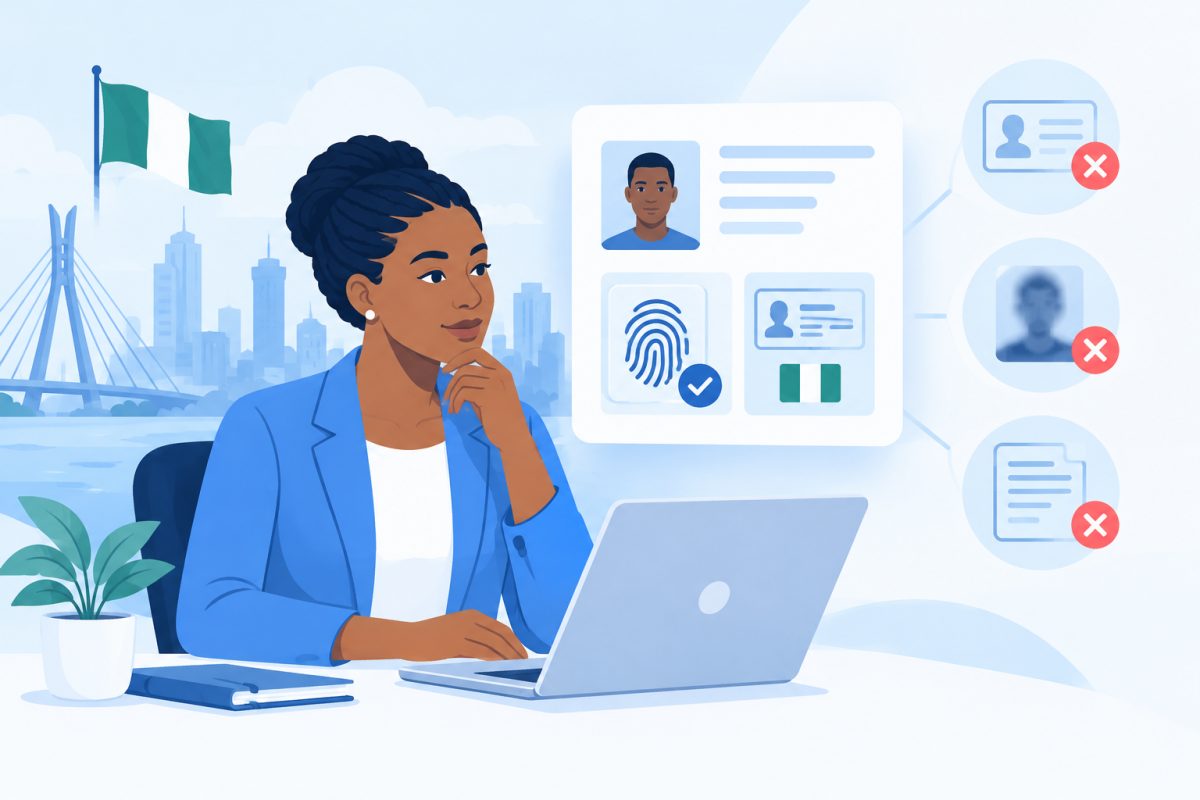
Understanding KYC and Its Importance
Know Your Customer (KYC) is a foundational aspect of regulatory compliance for businesses in Nigeria. It involves verifying the identities of clients to prevent fraud and ensure that services are only provided to legitimate customers.
- Prevents financial fraud
- Ensures compliance with regulations
- Promotes trust between customers and businesses
Mistake 1: Incomplete Customer Data Collection
One of the most common errors businesses make is failing to collect complete customer information. Inadequate data can lead to difficulties in verifying identities and may result in compliance issues. Ensure that your KYC process captures essential details such as name, address, date of birth, and identification numbers like NIN or BVN.
- Collect full names and addresses
- Request valid identification
- Include contact information
Mistake 2: Not Using Reliable Verification Methods
Another critical mistake is relying on outdated or unreliable methods for identity verification. Businesses should utilize advanced KYC solutions that provide real-time verification of identification documents. This can include integrating APIs that specialize in identity verification, such as those offered by OdotServices.
- Use verified APIs for real-time checks
- Avoid manual verification processes
- Regularly update verification methods
Mistake 3: Ignoring Regulatory Changes
Regulations around KYC are constantly evolving, especially in Nigeria. Businesses must stay updated with the latest laws related to identity verification. Failing to comply with these regulations can lead to hefty fines and loss of credibility.
- Regularly review compliance guidelines
- Engage legal expertise when necessary
- Attend workshops and training sessions
Mistake 4: Overlooking Customer Education
Often, businesses neglect to educate their customers about the KYC process. This can lead to frustration and disengagement. Transparency about why KYC is necessary and how it protects both parties can enhance customer cooperation.
- Provide clear instructions on KYC
- Communicate the importance of KYC
- Use multiple channels for education
Mistake 5: Failing to Update KYC Records
Another common mistake is not regularly updating KYC records. Customer information can change over time, and businesses should have a mechanism in place for periodic reviews of KYC data to ensure accuracy.
- Set reminders for periodic reviews
- Use automated systems for updates
- Keep communication lines open with customers
Conclusion: Streamlining Your KYC Process
To avoid these common KYC pitfalls, businesses should consider leveraging comprehensive KYC solutions like those from OdotServices. By doing so, you can simplify the verification process, ensure compliance, and build stronger relationships with your customers. Embrace technology to enhance your KYC practices and position your business for success.
- Integrate reliable KYC solutions
- Educate your team on compliance
- Engage with customers for better feedback
Avoiding these common KYC mistakes is crucial for the smooth operation of your business. By streamlining your verification process with tools from OdotServices, you can ensure compliance, enhance customer trust, and focus on growth.
Liked this? Get one practical business tip a week
Short, useful and written for Nigerian businesses: getting paid faster, reaching customers, staying compliant. No spam, and you can leave any time.
Keep reading
All articles KYC Verification
When to Request BVN Verification for Your Application
BVN verification is crucial for businesses to mitigate fraud risks. This guide explores the right moments to integrate BVN checks into your application.
 KYC Verification
When to Request NIN Verification for Your Application
NIN verification is essential for ensuring compliance and trust in various sectors. This guide helps you understand when your application should request it.
 KYC Verification
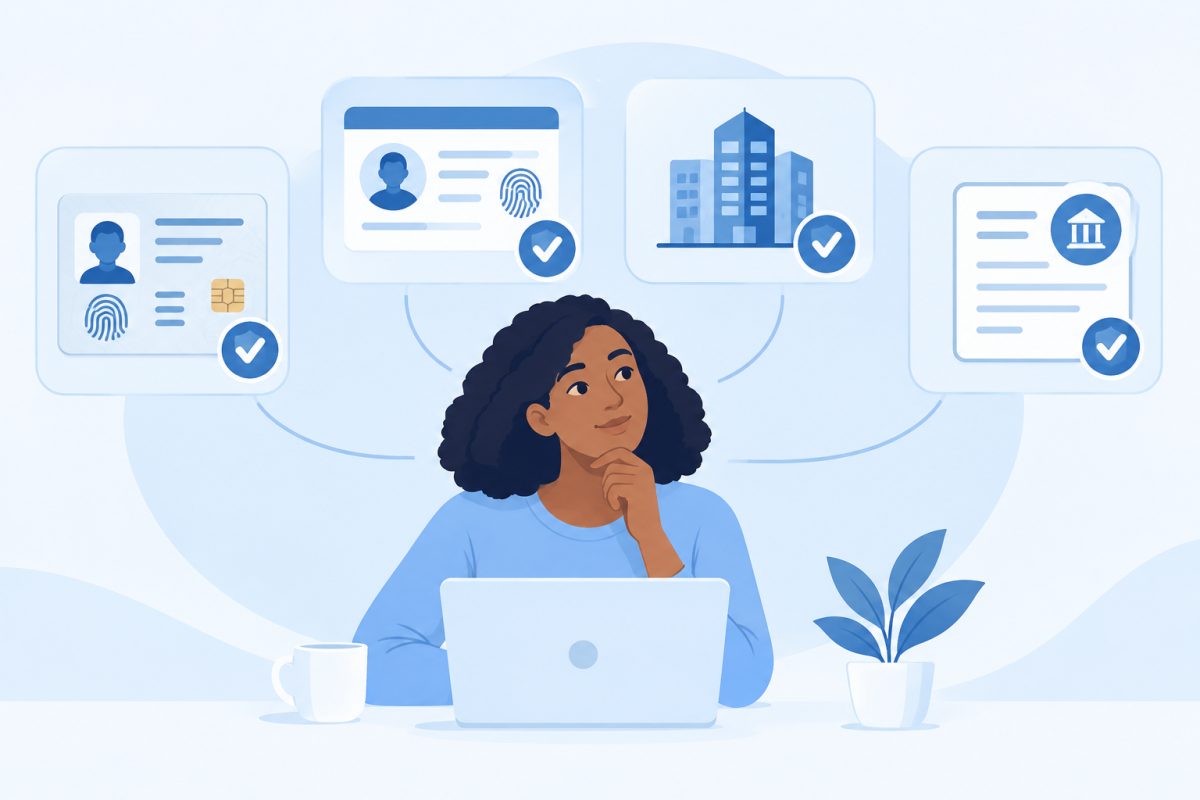
NIN, BVN, CAC, and TIN Verification: Key Differences Explained
Understanding the differences between NIN, BVN, CAC, and TIN is crucial for Nigerian developers and businesses. This guide breaks down their significance and applications.
 KYC Verification
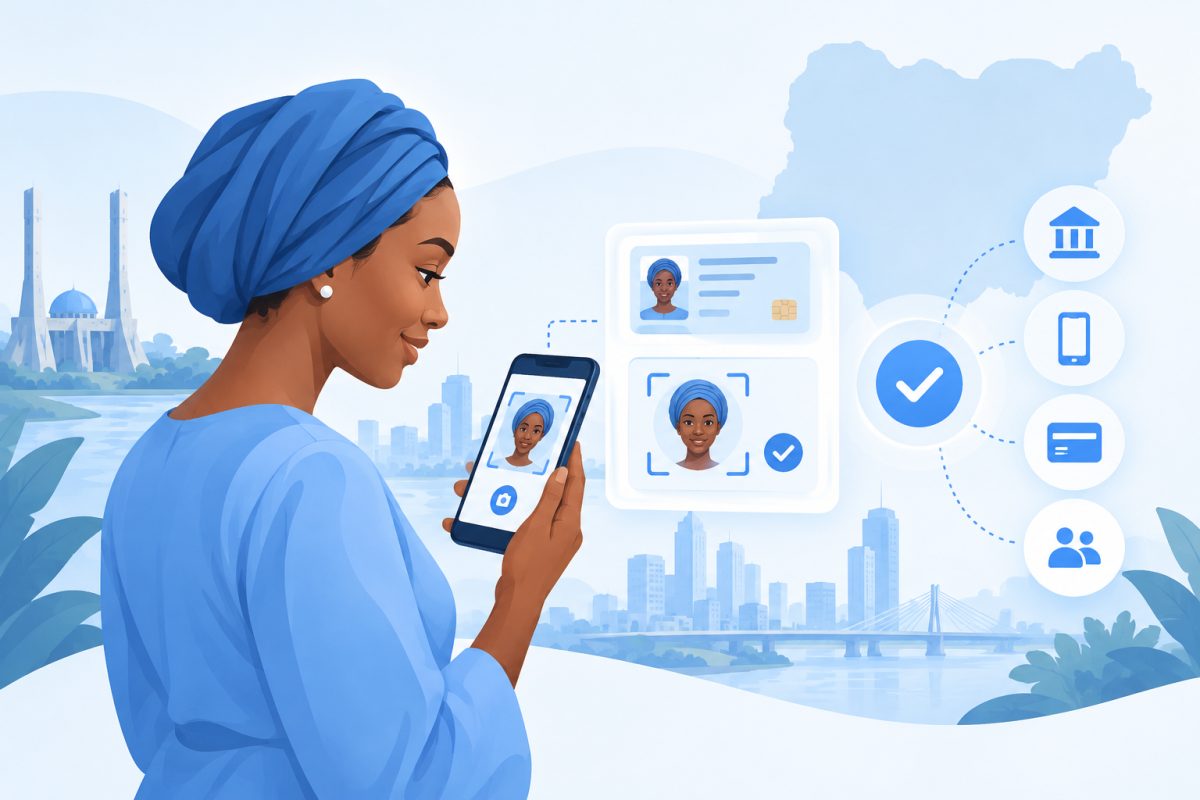
How Digital KYC Enhances Customer Onboarding in Nigeria
Digital KYC (Know Your Customer) is revolutionizing customer onboarding in Nigeria. By automating identity verification, businesses can enhance efficiency and compliance.
Build with email, SMS and identity checks.
One account, one API, billed in Naira.


Comments 0
No comments yet. Be the first to share your thoughts.