
Fuel, Forex and Food: Economic Policy's Daily Impact
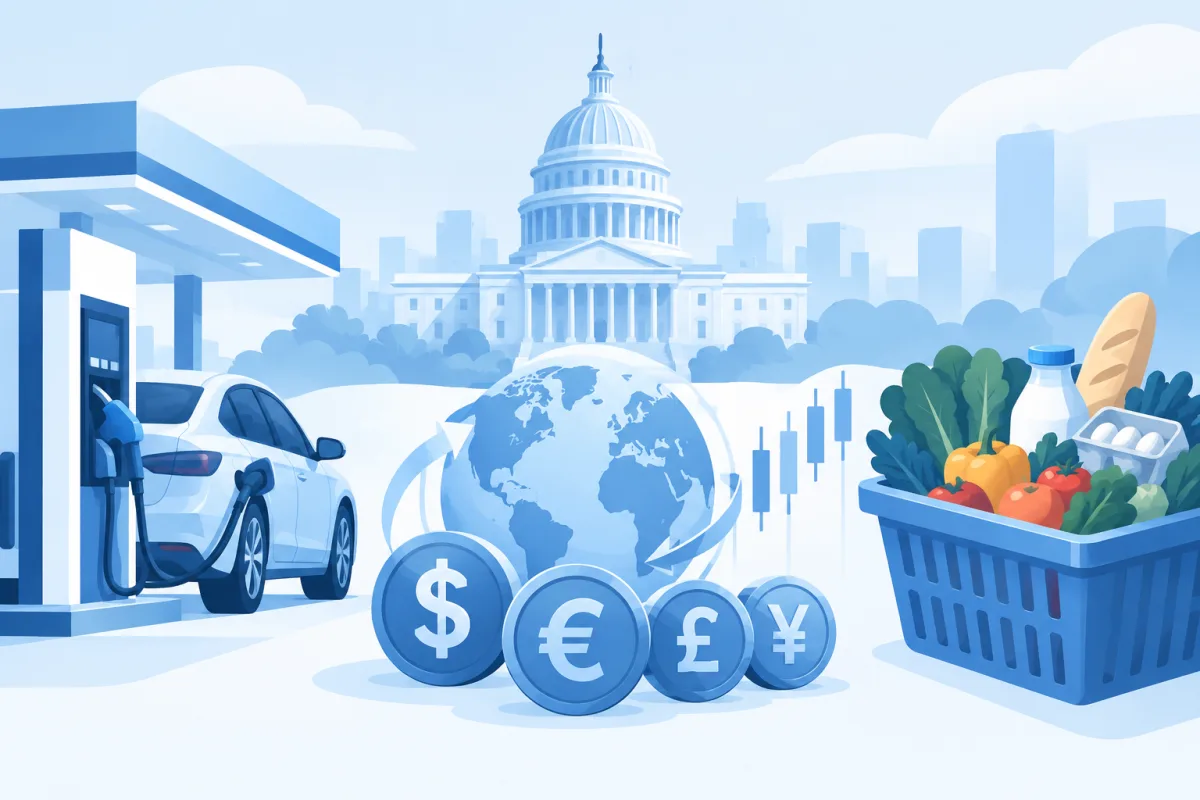
Economic policies significantly shape the everyday lives of Nigerians. This article delves into how fluctuations in fuel prices, forex rates, and food costs intertwine and influence various sectors.
Understanding Economic Policies
Economic policies in Nigeria are designed to manage the economy and influence various sectors. These policies can include fiscal measures, monetary policies, and regulations that directly affect businesses and the general population.
- Fiscal measures: Government spending and taxation
- Monetary policies: Interest rates and money supply
- Regulatory frameworks: Laws affecting businesses
The Fuel Price Dilemma
Fuel prices in Nigeria are influenced by several factors, including global oil prices, government subsidies, and exchange rates. Fluctuations in fuel prices have a direct impact on transportation costs, which in turn affect the prices of goods and services across the board.
- Global oil price fluctuations
- Impact of subsidies on local prices
- Transportation costs and their ripple effect
Forex Rates and Their Influence
The value of the Naira against major currencies affects the cost of imports, including essential goods and raw materials. A weaker Naira can lead to increased prices for imported goods, impacting inflation and purchasing power.
- Naira's performance against USD and Euro
- Impact on import costs
- Effect on local businesses and consumers
Food Prices: The Ripple Effect
The interplay between fuel prices and forex rates significantly affects food prices in Nigeria. Higher transportation costs due to fuel price hikes and increased import costs due to unfavorable forex rates can lead to higher food prices, making it harder for families to afford basic necessities.
- Transportation costs driving food prices up
- Effect of imported food on local markets
- Inflation and consumer purchasing power
Sector-Specific Impacts
Different sectors feel the impact of economic policies in unique ways. For instance, the agricultural sector may face challenges due to high input costs, while the financial sector may struggle with volatility in forex rates. Understanding these impacts can help businesses and developers strategize effectively.
- Agriculture: Increased input costs
- Banking: Forex volatility risks
- Insurance: Higher premiums due to cost increases
Adapting to Economic Changes
Businesses and individuals must adapt to the ever-changing economic landscape. Leveraging technology and innovative solutions can provide a competitive edge. For instance, using tools like odotservices' free business tools can help streamline operations and manage costs effectively.
- Embracing technology for efficiency
- Using free business tools to cut costs
- Staying informed about policy changes
In conclusion, understanding how economic policy shapes fuel prices, forex rates, and food costs is crucial for navigating daily life in Nigeria. By leveraging available tools and staying informed, businesses can better adapt to these changes and thrive in a challenging environment. Explore our free business tools to help your business succeed.
Liked this? Get one practical business tip a week
Short, useful and written for Nigerian businesses: getting paid faster, reaching customers, staying compliant. No spam, and you can leave any time.
Keep reading
All articles Business
How Government Policies Shape Your Daily Expenses in Nigeria
Understanding the influence of government policies on daily expenses is crucial for businesses and individuals alike. This article delves into the various factors at play and offers strategies to manage costs effectively.
 Business
Stop Sending Pictures One by One: Share Your Shop Link
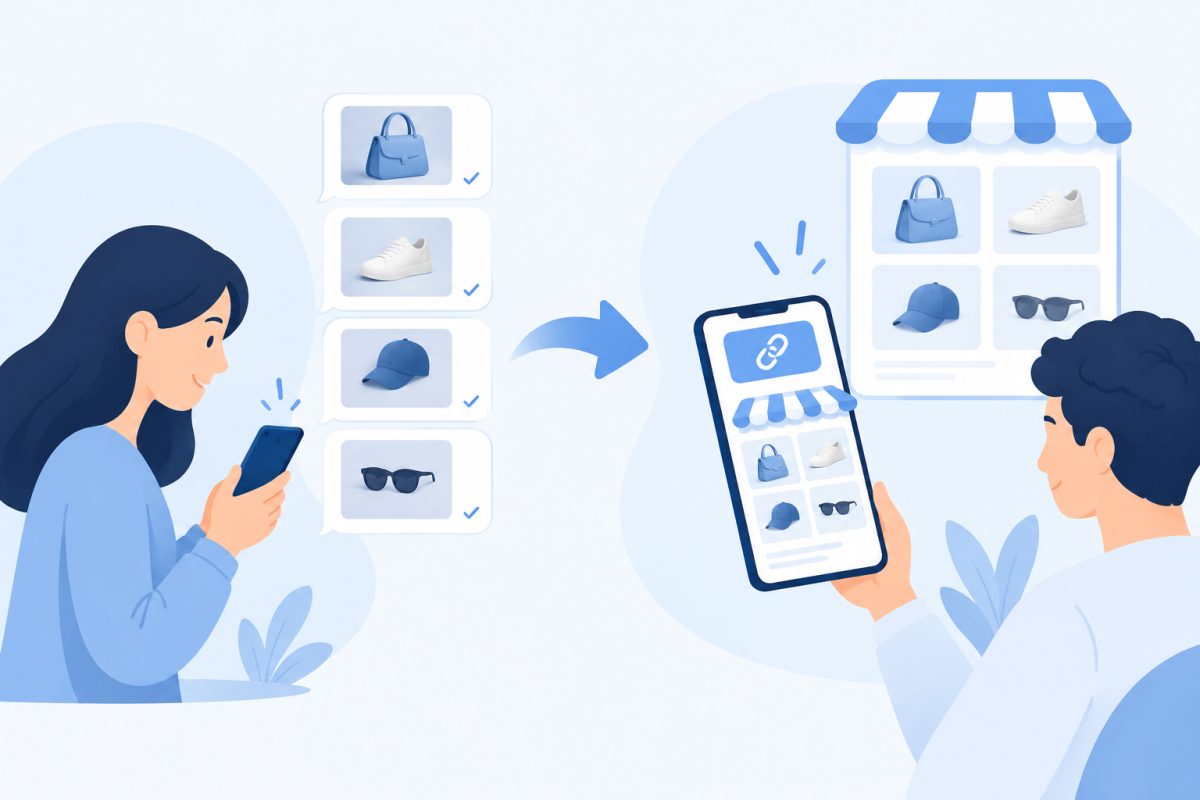
Online sellers, especially those operating on social media, often find themselves overwhelmed by sending product images individually. Instead, leverage a comprehensive shop link to streamline your sales process and enhance customer satisfaction.
 Business
Stop Saying 'Send a DM to Order': Automate Your Shop Sales
In the fast-paced world of online selling, efficiency matters. Odot-Link automates your shop sales, ensuring you never have to tell customers to 'send a DM to order' again.
 Business
5 Proven Ways to Double Sales with Odot-Link
If you are running an online retail store in Nigeria, you already know that social media is a goldmine for finding customers. Whether you show off your stock on Instagram reels, TikTok trends, or Facebook groups, the traffic is out there. However, getting people to look at your products is only half the battle. The real challenge is converting those casual viewers into paying customers.
Build with email, SMS and identity checks.
One account, one API, billed in Naira.


Comments 0
No comments yet. Be the first to share your thoughts.