
The Silent Business Killer: Poor Follow-Up and How to Stop It
Poor follow-up can cripple businesses, especially in Nigeria's competitive landscape. In this article, we explore the reasons behind inadequate follow-up and offer effective solutions.
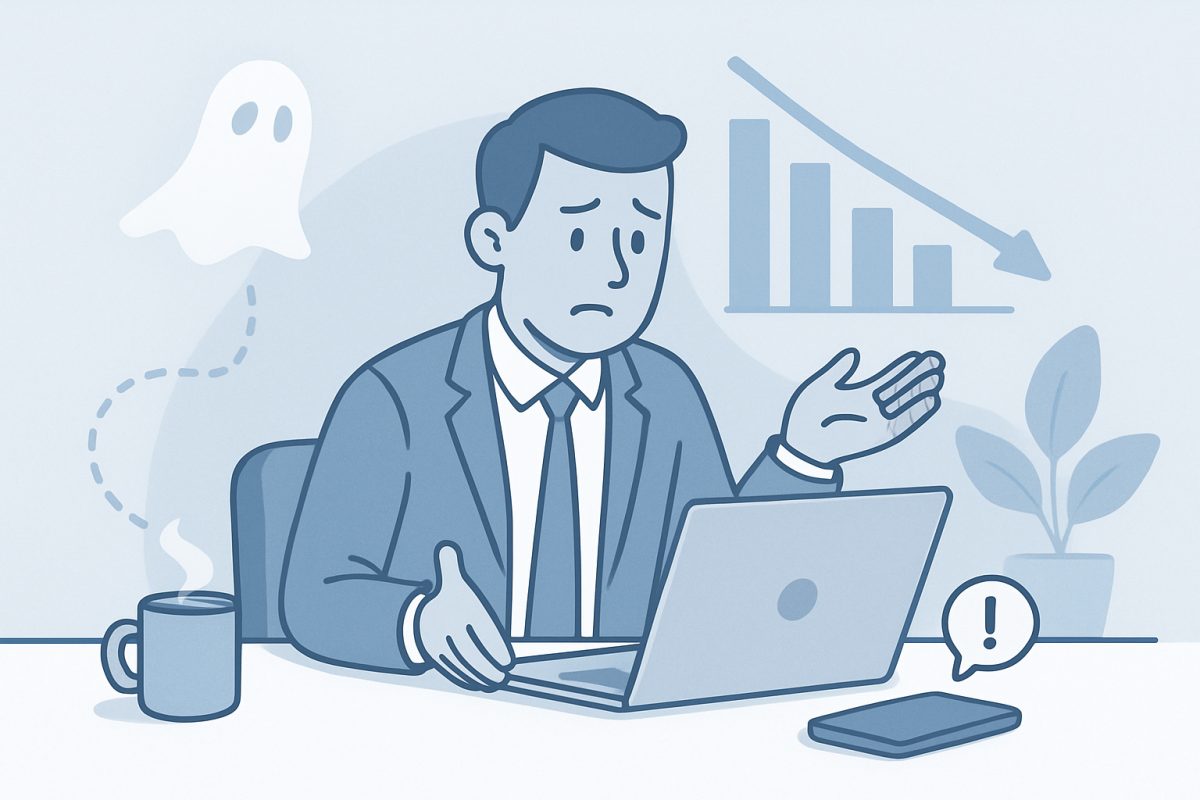
Understanding the Impact of Poor Follow-Up
In the fast-paced world of business, especially in Nigeria, the importance of follow-up cannot be overstated. Failing to follow up with clients or leads can lead to missed opportunities, lost sales, and a tarnished reputation.
- Increased customer churn
- Loss of potential revenue
- Negative brand perception
Common Reasons for Inadequate Follow-Up
Many businesses struggle with follow-up due to various reasons. Often, teams are overwhelmed with tasks and prioritize immediate concerns over nurturing leads. Additionally, a lack of structured processes can result in inconsistent follow-up.
- Insufficient training
- Poor time management
- Lack of automated systems
Implementing Effective Follow-Up Strategies
To combat the silent killer of poor follow-up, businesses need to implement effective strategies. This includes setting reminders, utilizing customer relationship management (CRM) systems, and ensuring that all team members are on the same page.
- Schedule follow-ups immediately after meetings
- Use CRM tools to track interactions
- Set up automated reminders
Leveraging Technology for Better Follow-Up
Technology can play a pivotal role in enhancing follow-up processes. Tools like OdotMail's SMS and email API can facilitate timely communications with clients, ensuring that no lead is left unattended. Automating messages can save time and improve engagement.
- Use OdotMail's Email API for transactional emails
- Implement SMS reminders for important follow-ups
- Track email open rates to gauge client interest
Building a Follow-Up Culture in Your Organization
Creating a culture of follow-up within your organization is essential. Encourage team members to value follow-ups as part of their job descriptions. Regular training sessions can help instill this importance and provide the necessary skills to execute effective follow-ups.
- Hold regular training sessions
- Celebrate successful follow-up stories
- Incorporate follow-up metrics into performance reviews
Measuring the Success of Your Follow-Up Efforts
Once you have implemented follow-up strategies, it’s crucial to measure their effectiveness. Set clear metrics to track how many leads convert after follow-up attempts. This data can provide insights into what works and what needs improvement.
- Monitor conversion rates post-follow-up
- Gather feedback from clients on follow-up experiences
- Adjust strategies based on data analysis
In conclusion, addressing the silent business killer of poor follow-up can transform your customer relationships and drive growth. Start by implementing effective follow-up strategies today, and consider using tools like OdotMail's SMS and Email API to enhance your communication efforts. For more resources, check out our free business tools to support your operations.
Liked this? Get one practical business tip a week
Short, useful and written for Nigerian businesses: getting paid faster, reaching customers, staying compliant. No spam, and you can leave any time.
Keep reading
All articles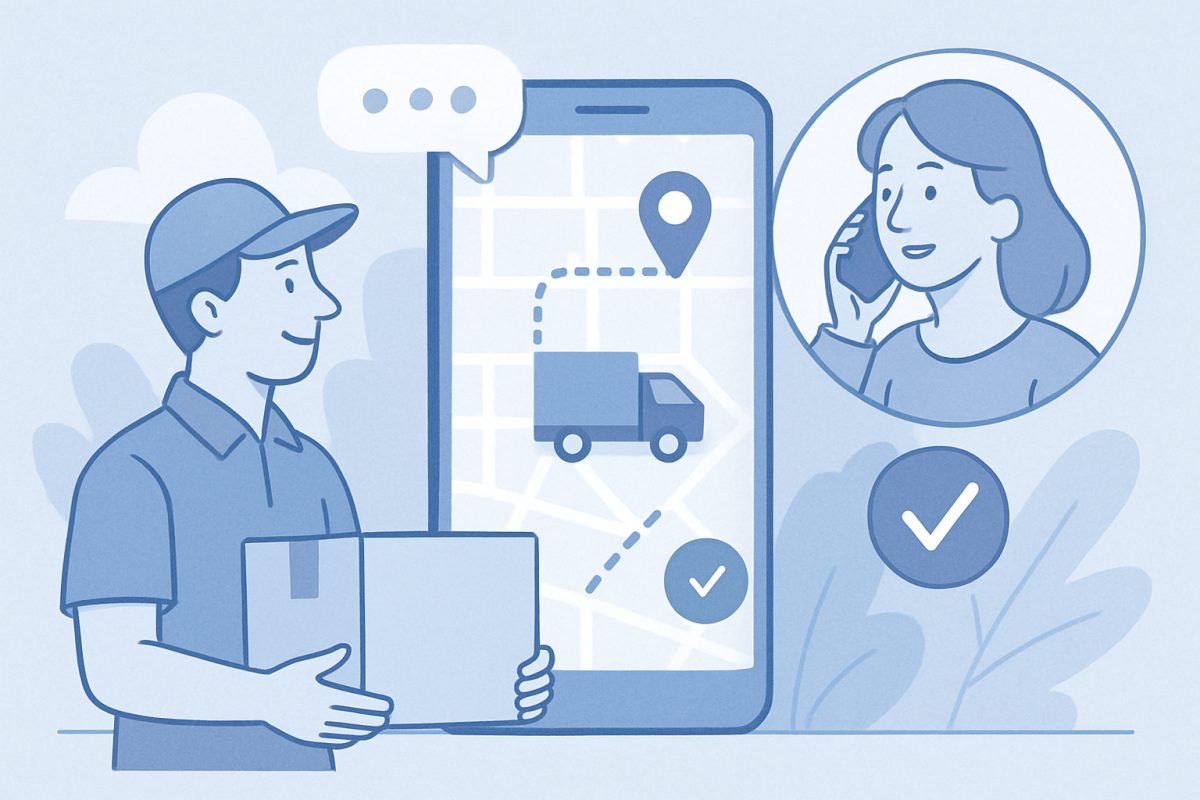 Business
Track Deliveries, Talk Customers: How Tracking Boosts Communication
Delivery tracking is more than a status update—it’s a conversation starter. By sharing live shipment data, businesses can keep customers informed, pre‑empt issues, and build loyalty.
 Business
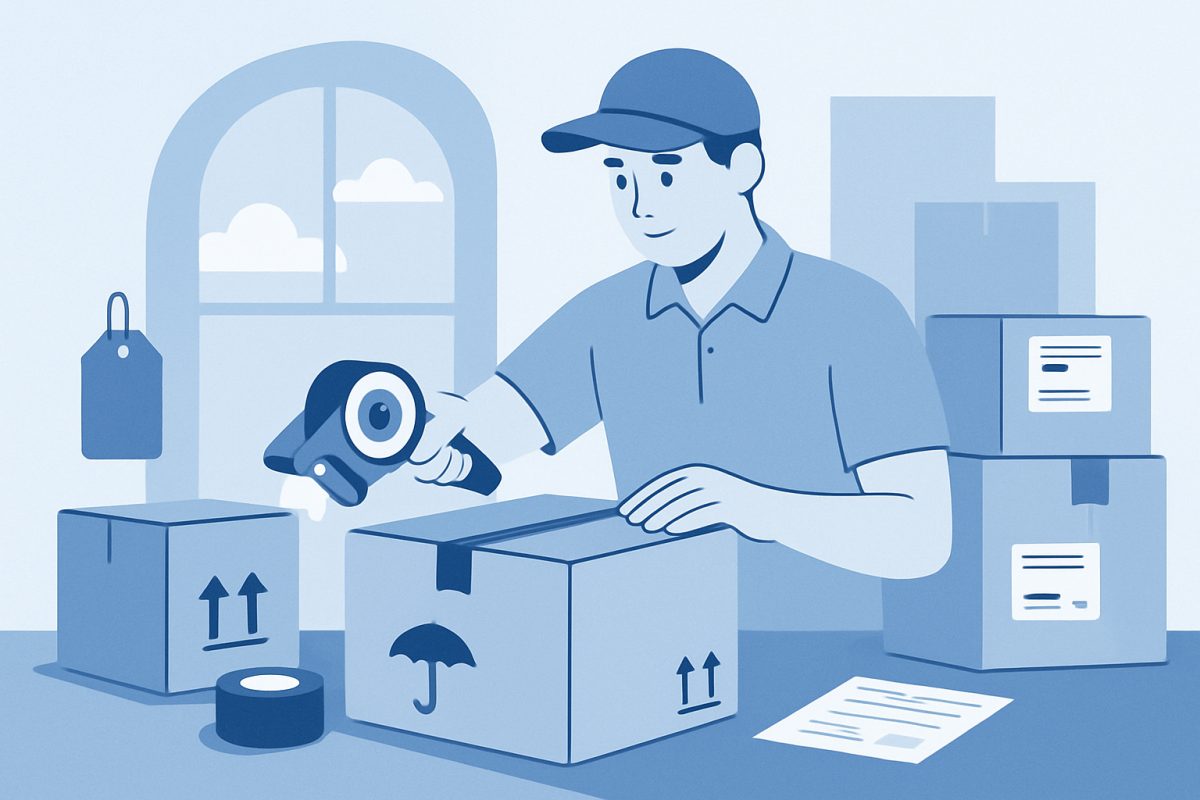
How to Package and Ship Products Safely and Cost-effectively
Shipping products safely and cost-effectively is crucial for any business. This guide offers practical strategies tailored for Nigerian developers, SMEs, and more.
 Business
Customer Retention Strategies for Nigerian Businesses
Customer retention is crucial for business success. Discover effective strategies tailored for the Nigerian market that can keep clients coming back.
 Business
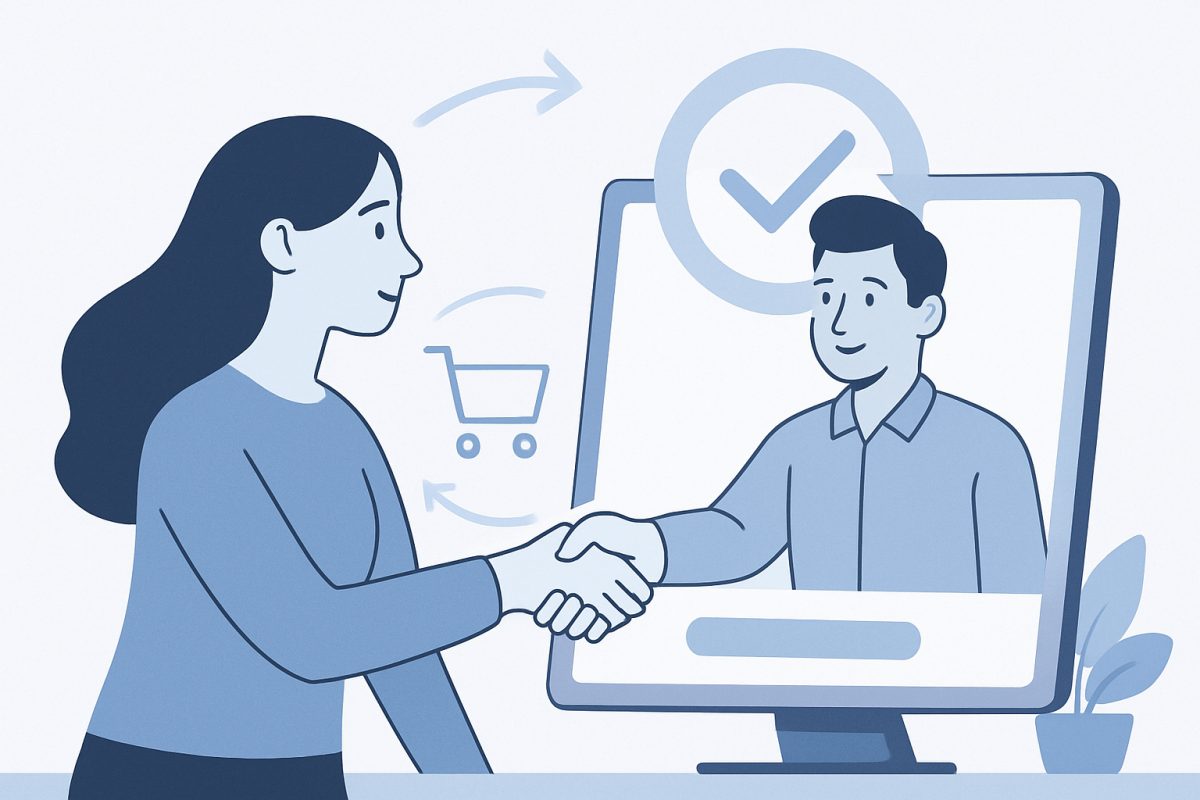
Turning Buyers into Repeat Customers through Effective Onboarding
Effective onboarding and follow-ups are essential for retaining customers. This article explores practical strategies to turn first-time buyers into loyal customers.
Build with email, SMS and identity checks.
One account, one API, billed in Naira.


Comments 0
No comments yet. Be the first to share your thoughts.