
Types of APIs and Their Use Cases: The Invisible Connections Powering the Digital World
Every time you check the weather, make an online payment, log into an application, book a hotel room, or track a delivery, something is happening quietly behind the screen. Different computer systems are talking to one another.
Every time you check the weather, make an online payment, log into an application, book a hotel room, or track a delivery, something is happening quietly behind the screen.
Different computer systems are talking to one another.
The technology making many of those conversations possible is the Application Programming Interface, better known as an API.
APIs have become a critical part of modern software development because businesses rarely build every service they need from scratch. A banking application may depend on one system for identity verification, another for payments, another for notifications, and several internal systems for customer information.
But not every API serves the same purpose.
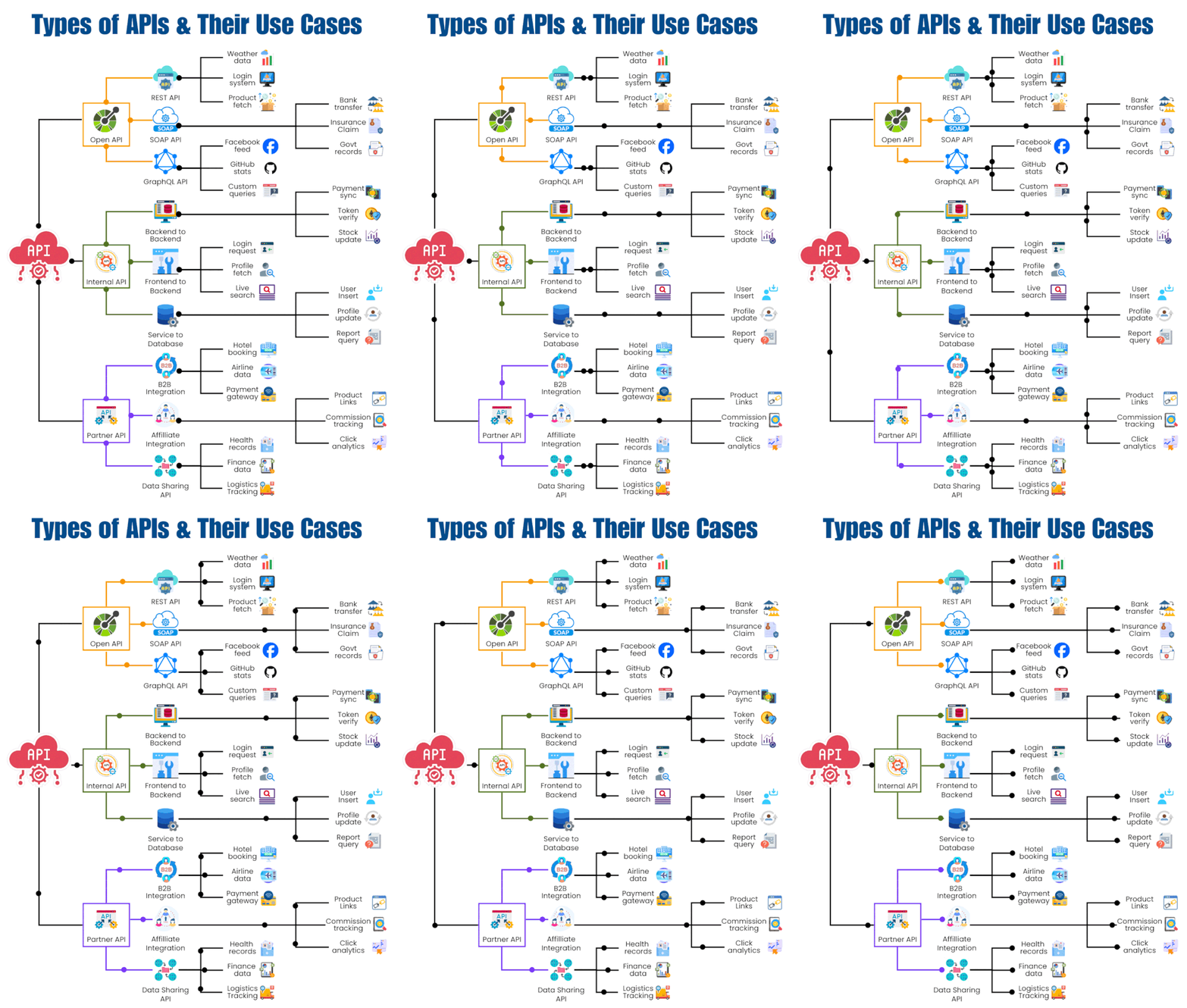
As the illustration above shows, APIs can broadly be understood through three important categories: Open APIs, Internal APIs, and Partner APIs. Within those categories are technologies and integration patterns such as REST, SOAP, GraphQL, backend-to-backend communication, database services, B2B integrations, and data-sharing APIs.
What Exactly Is an API?
Think about a customer sitting in a restaurant.
The customer doesn't walk into the kitchen and prepare the meal. Instead, they place an order with a waiter. The waiter takes that request to the kitchen and later returns with the result.
An API works in a similar way.
One application sends a structured request to another system through an API. The receiving system processes that request and sends back a response.
A weather application, for example, doesn't necessarily operate thousands of weather stations itself. It can request weather information from a weather-data provider through an API and display the returned information to the user.
That simple concept has grown into one of the foundations of today's digital economy.
Open APIs: When Services Need to Talk to the Outside World
An Open API, sometimes called a public API, is designed to make certain functionality or data available to external developers or applications.
Imagine a company developing a travel application.
Instead of building its own weather infrastructure, mapping system, payment network and social media platform, the company can integrate services offered by other organizations.
Open APIs make those connections possible.
REST APIs
REST, or Representational State Transfer, is one of the most widely used approaches for building web APIs.
A REST API typically communicates using standard HTTP operations and commonly exchanges information in JSON format.
Consider an application that needs customer information. It might make a request similar to:
GET /api/customers/1052
The server could respond with structured information about customer 1052.
REST APIs are commonly found behind services such as:
- Weather information
- Login and authentication
- Product catalogues
- Mobile applications
- Customer management platforms
- Payment services
Their relative simplicity has made REST particularly popular for web and mobile development.
SOAP APIs
Before REST became dominant in many web applications, SOAP was already widely used for structured system-to-system communication.
SOAP uses a more formal messaging structure, typically based on XML.
It continues to appear in enterprise environments where strict contracts, established standards and complex integrations are important.
That includes industries such as banking, insurance and government.
A bank might use a SOAP-based service for a financial transaction, while an insurance company could use one to exchange claims information between established enterprise systems.
The technology may be older than many modern REST services, but that does not necessarily make it obsolete. In large organizations, reliability and compatibility with existing infrastructure can matter more than adopting the newest architecture.
GraphQL APIs
GraphQL approaches the problem differently.
Instead of an API determining a fixed set of information that must be returned, a client can specify the fields it needs.
Suppose an application only needs a user's name and profile photograph. Rather than retrieving a large customer record and ignoring most of it, a GraphQL query can request those particular fields.
This approach can be useful for applications dealing with complex or interconnected datasets.
Social feeds, developer platforms and applications requiring flexible queries are examples of situations where GraphQL can be useful.
Internal APIs: The Conversations Customers Never See
Not every API is intended for the public.
Some of the most important API traffic inside a business happens entirely behind the scenes.
These are Internal APIs, sometimes referred to as private APIs.
Consider an insurance company.
A customer may see a single website, but behind that website could be separate systems handling:
Customer records → Policies → Payments → Claims → KYC verification → Notifications → Accounting
The customer doesn't need to know how those systems communicate.
Internal APIs allow them to work together.
Backend-to-Backend APIs
A backend-to-backend API allows server-side systems to exchange information without direct interaction from the user's browser or mobile application.
Consider an online payment.
A customer clicks Pay, but several events could happen afterward.
The company's application creates a transaction. Another service communicates with a payment provider. The result is verified. The customer's account is updated, and another service sends a confirmation.
Several APIs may participate in that single transaction.
Backend-to-backend APIs are consequently important for operations such as payment synchronization, token verification and automatic stock updates.
Frontend-to-Backend APIs
This is the API relationship users experience most frequently, even if they never notice it.
You open an application and log in.
The interface collects your details and sends them to a backend service. The backend verifies them and returns a response.
The same pattern occurs when users search for information, load their profiles, submit forms or retrieve account details.
The beautiful interface may be what customers remember, but APIs are often doing much of the work underneath it.
Service-to-Database APIs
Databases contain some of an organization's most valuable information.
Applications therefore need controlled ways of creating, retrieving and updating that data.
A customer changing their profile, for example, could trigger a request that ultimately updates the appropriate database record.
Similar processes can support user registration, profile updates, reporting and business queries.
However, databases should not simply be exposed directly to the internet. A properly designed application layer provides authentication, validation, authorization and business rules between users and sensitive data.
That distinction becomes particularly important as systems grow.
Partner APIs: Building Digital Businesses Together
There is another category sitting between completely public and completely private services: the Partner API.
A partner API is made available to selected organizations rather than everyone on the internet.
Imagine an airline partnering with a hotel-booking platform.
The airline may need hotel availability, while the hotel company may want access to flight-related information. APIs allow both companies to exchange agreed data without giving either company unrestricted access to the other's systems.
This model has become increasingly important as businesses build interconnected digital ecosystems.
B2B Integration
Business-to-business APIs allow organizations to automate transactions that previously required emails, spreadsheets, telephone calls or manual data entry.
A travel platform could connect airlines, hotels and payment gateways.
An insurance platform could connect brokers, insurers, payment companies and identity-verification providers.
Once those connections are automated, transactions can happen in seconds rather than waiting for someone to manually move information between systems.
Affiliate Integration
Affiliate businesses also depend heavily on APIs.
An online publisher might display products belonging to another company. When visitors click or purchase those products, API integrations can help record product links, referrals, conversions and commissions.
What appears to the customer as a simple link can therefore be part of a much larger tracking infrastructure.
Data-Sharing APIs
Some partnerships exist primarily because organizations need to exchange data.
Healthcare systems may exchange authorized health records. Financial institutions may share permitted financial information. Logistics companies may provide shipment locations and delivery updates.
But this is also where API design becomes closely connected to cybersecurity and privacy.
The question is no longer simply:
"Can these systems communicate?"
It becomes:
"What information should they be allowed to exchange, and who should be allowed to request it?"
One Application Can Use All Three
The boundaries between these API types become clearer when we imagine a modern insurance application.
A customer opens the company's mobile application and requests their policy information.
The mobile app communicates with the company's backend through an API.
The backend retrieves policy information from an internal service.
Another API may communicate with a payment provider.
A partner integration could verify customer information through an authorized third-party service.
An external messaging API could then send an SMS or email confirming the transaction.
To the customer, one thing happened:
They renewed their insurance policy.
Technically, several independent systems may have communicated within seconds.
That is the real power of APIs.
APIs Also Create New Security Responsibilities
Connecting systems creates convenience, but every connection also needs protection.
An improperly secured API could expose customer information, allow unauthorized transactions or provide attackers with access to systems that were never intended to be publicly accessible.
Modern API security therefore involves measures such as authentication, authorization, encrypted communication, rate limiting, input validation, logging and monitoring.
Organizations also need to control exactly what information an API returns.
If an application requests a customer's name, for example, there may be no reason for the API to return the person's complete financial or identity record.
Good API architecture isn't only about making systems communicate. It is about ensuring they communicate safely and only as much as necessary.
APIs Are Becoming the Infrastructure Behind Everyday Digital Life
Most consumers will never see an API request.
They will simply see that their payment succeeded, their flight appeared in an application, their package moved to another city, or their insurance policy was renewed.
Behind those seemingly simple experiences can be a network of Open APIs, Internal APIs and Partner APIs moving information between systems.
REST makes many modern web integrations straightforward. SOAP continues to support established enterprise systems. GraphQL gives applications more control over the information they request. Internal APIs connect the machinery operating inside organizations, while Partner APIs allow different businesses to become part of the same digital ecosystem.
The interface may be what users see.
But increasingly, APIs are what make everything behind that interface work.
Liked this? Get one practical business tip a week
Short, useful and written for Nigerian businesses: getting paid faster, reaching customers, staying compliant. No spam, and you can leave any time.
Keep reading
All articles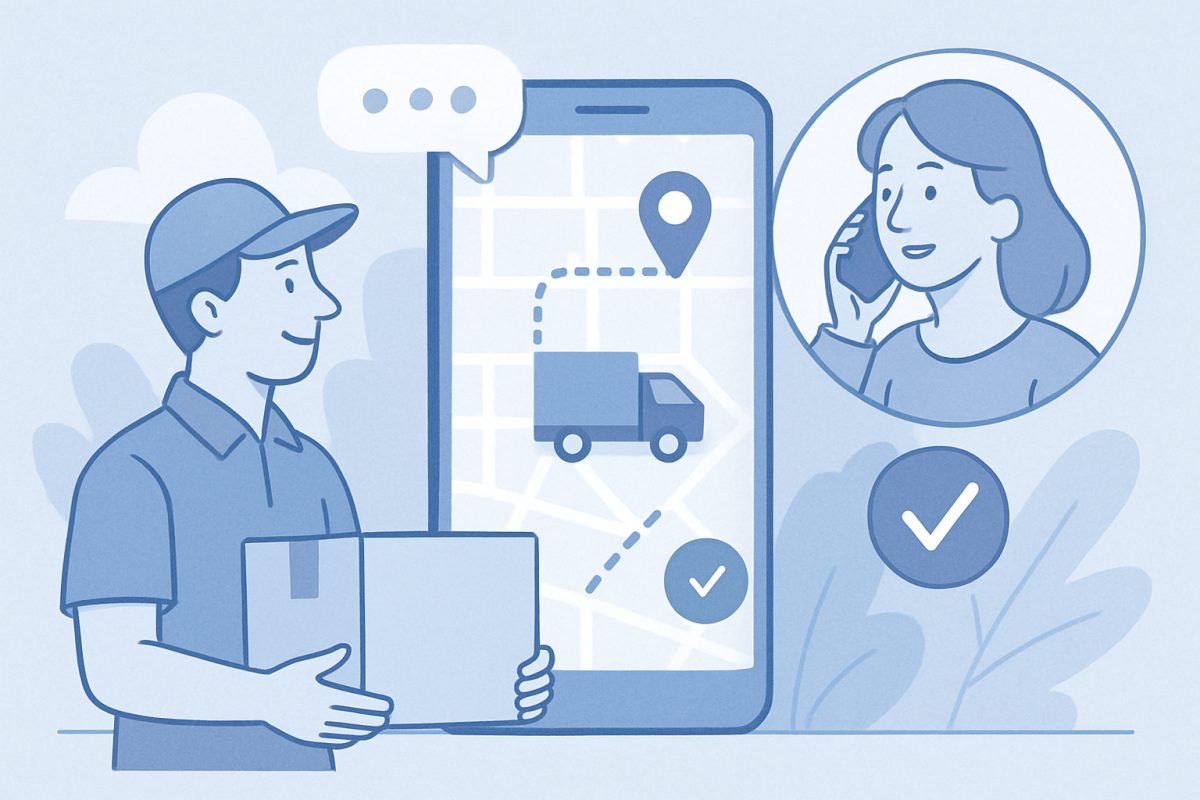 Business
Track Deliveries, Talk Customers: How Tracking Boosts Communication
Delivery tracking is more than a status update—it’s a conversation starter. By sharing live shipment data, businesses can keep customers informed, pre‑empt issues, and build loyalty.
 Email
Email
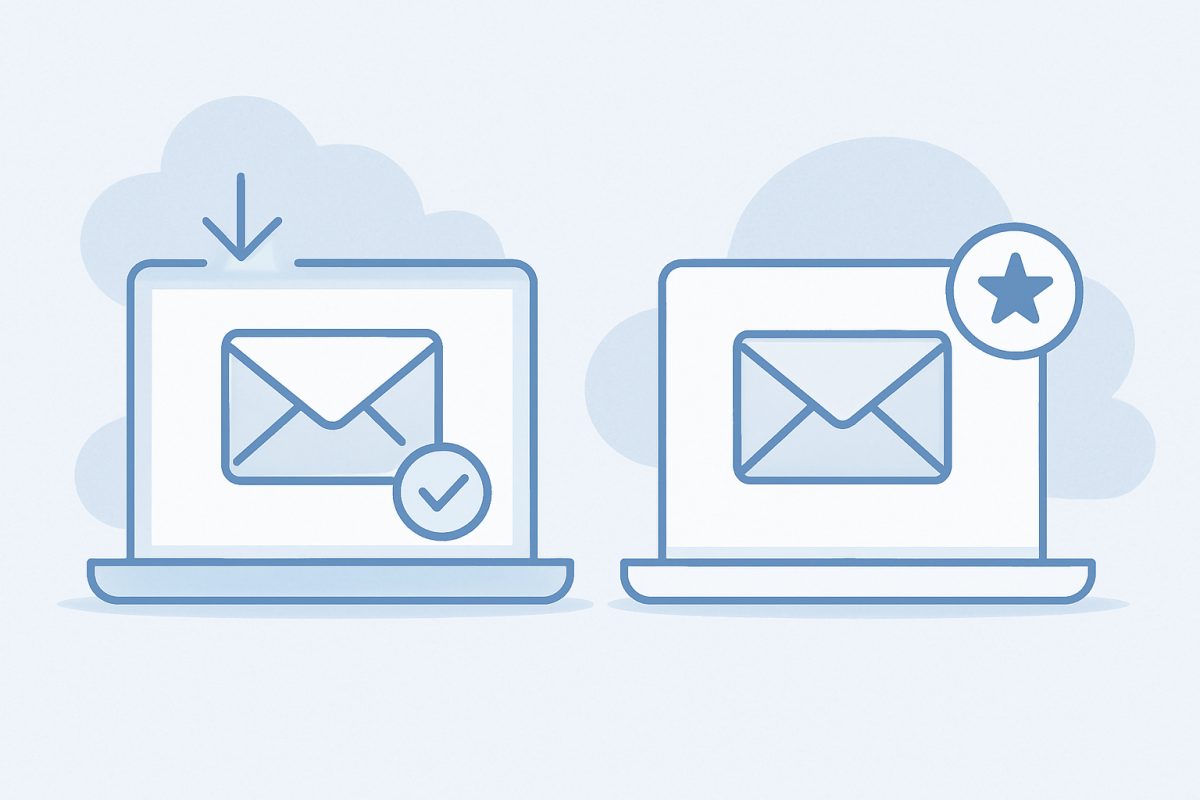
Transactional vs Marketing Email: Know the Difference
Transactional emails are triggered by user actions and carry essential information. Marketing emails aim to promote products and build brand awareness.
 Business
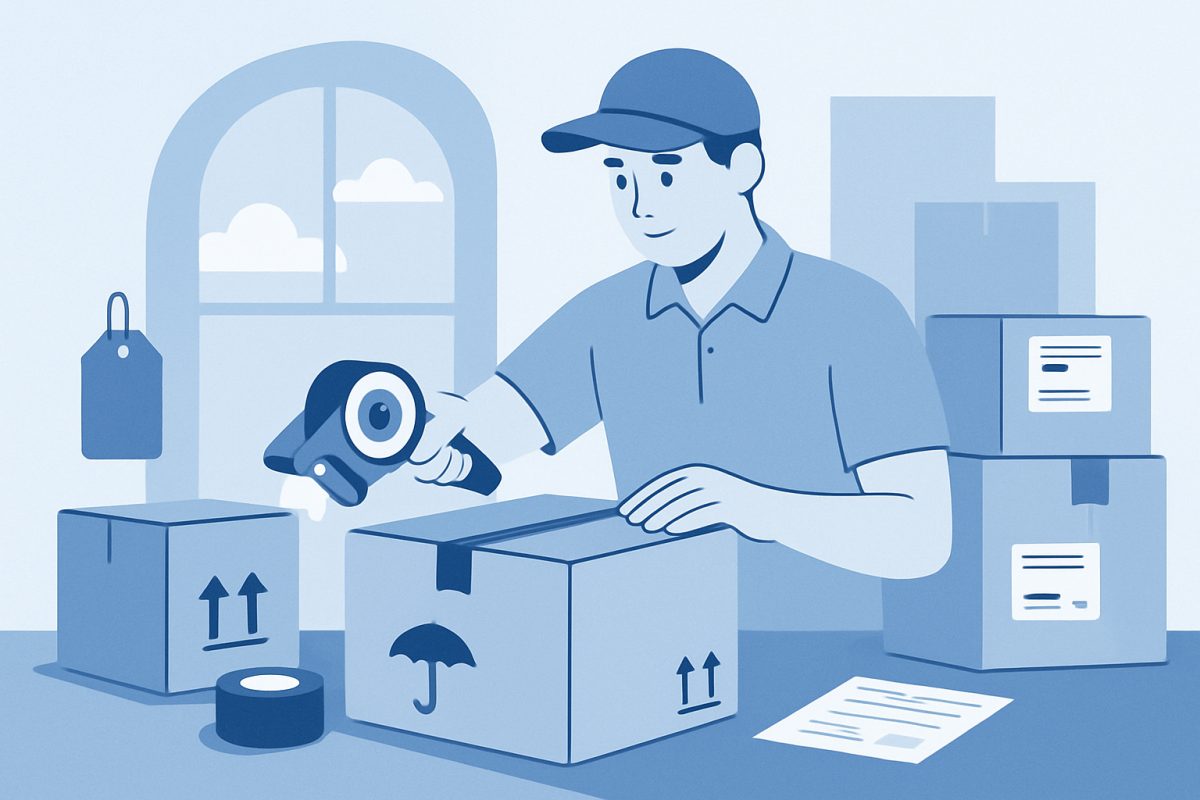
How to Package and Ship Products Safely and Cost-effectively
Shipping products safely and cost-effectively is crucial for any business. This guide offers practical strategies tailored for Nigerian developers, SMEs, and more.
 Email
Email
Secure SMTP: How Nigerian Developers Can Safely Send Emails
Sending transactional emails is essential for Nigerian businesses, but security matters. This guide shows how to use SMTP safely with odotservices.
Build with email, SMS and identity checks.
One account, one API, billed in Naira.


Comments 0
No comments yet. Be the first to share your thoughts.