
A Beginner’s Guide to DevSecOps for Nigerian Developers
DevSecOps is revolutionizing how development teams approach security. This guide will help Nigerian developers and businesses understand and implement DevSecOps effectively.
Understanding DevSecOps
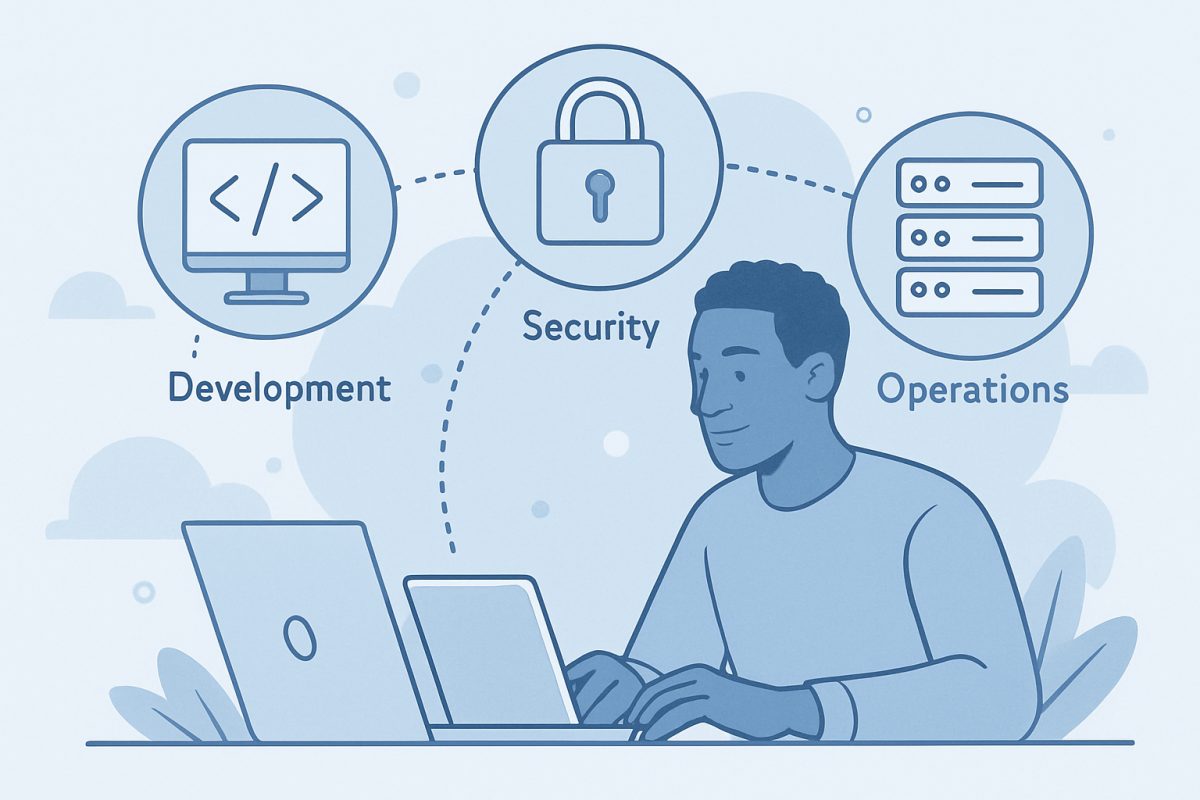
DevSecOps is an evolution of the DevOps methodology, integrating security at every phase of the software development lifecycle. It emphasizes collaboration between development, security, and operations teams to enhance the security posture of applications from the ground up.
- Integrates security into DevOps
- Focuses on collaboration among teams
- Enhances security throughout the lifecycle
The Importance of DevSecOps in Nigeria
In Nigeria, as the tech ecosystem evolves, businesses face increasing cyber threats. Implementing DevSecOps can help mitigate risks and improve compliance with local regulations, such as the Nigerian Data Protection Regulation (NDPR). By prioritizing security, businesses can build trust with customers and stakeholders.
- Mitigates cyber threats
- Improves compliance with regulations
- Builds customer trust
Key Principles of DevSecOps
There are several foundational principles that guide effective DevSecOps practices. These include:
1. Shift Left: Emphasizing security early in the development process.
2. Automation: Utilizing automated tools for testing and monitoring security.
3. Continuous Monitoring: Implementing ongoing security assessments to identify vulnerabilities.
4. Collaboration: Encouraging open communication between teams to foster a security-first mindset.
- Shift left approach
- Automation of security tasks
- Continuous security monitoring
- Collaboration across teams
Tools and Technologies for DevSecOps
There are various tools available that can facilitate the implementation of DevSecOps practices. Some popular tools include Jenkins for continuous integration, Docker for containerization, and security testing tools like Snyk and Aqua Security. For Nigerian developers, leveraging these tools can streamline processes and enhance security.
- Jenkins for CI/CD
- Docker for containerization
- Snyk for security testing
- Aqua Security for container security
Implementing DevSecOps in Your Organization
To effectively implement DevSecOps, organizations should start by assessing their current security posture. Here are practical steps to get started:
1. Educate Teams: Provide training on security best practices and tools.
2. Integrate Security Tools: Incorporate security tools into the CI/CD pipeline.
3. Regular Audits: Conduct regular audits and penetration testing to identify vulnerabilities.
4. Foster a Security Culture: Encourage a culture of security awareness among all team members.
- Educate teams on security
- Integrate security tools
- Conduct regular audits
- Foster a security culture
Challenges and Solutions in Adopting DevSecOps
While the benefits of DevSecOps are clear, organizations may face challenges during adoption. Common challenges include resistance to change, lack of expertise, and insufficient resources. To overcome these, businesses can start small, focusing on quick wins and gradually scaling their DevSecOps practices.
- Resistance to change
- Lack of expertise
- Insufficient resources
DevSecOps is not just a trend but a necessity for modern software development, especially in Nigeria's growing tech landscape. By integrating security from the start and utilizing tools like OdotMail’s Email API, developers can enhance their projects' security and build a resilient future. Embrace DevSecOps today and secure your applications effectively!
Liked this? Get one practical business tip a week
Short, useful and written for Nigerian businesses: getting paid faster, reaching customers, staying compliant. No spam, and you can leave any time.
Keep reading
All articles Cyber Security
Preventing Malicious Code in Your Production Environment
In today's digital landscape, the threat of malicious code is ever-present. This article explores effective strategies for Nigerian developers to safeguard their production environments.
 Cyber Security
Is Python Safer than PHP or JavaScript for Developers?
In the world of programming, security is paramount. This article explores whether Python is a safer choice compared to PHP and JavaScript.
 Cyber Security
The New Face of Digital Fraud: Beyond Passwords
Digital fraud is no longer just about stolen passwords; it's a complex landscape of threats that affect all sectors. Learn how to protect your business in this new era.
 Cyber Security
Inside a Cyberattack: What Happens After Hackers Break In
Cyberattacks can devastate businesses, but understanding the aftermath can aid recovery. This article unpacks what happens after hackers infiltrate systems.
Build with email, SMS and identity checks.
One account, one API, billed in Naira.


Comments 0
No comments yet. Be the first to share your thoughts.