
Preventing Malicious Code in Your Production Environment
In today's digital landscape, the threat of malicious code is ever-present. This article explores effective strategies for Nigerian developers to safeguard their production environments.
Understanding Malicious Code
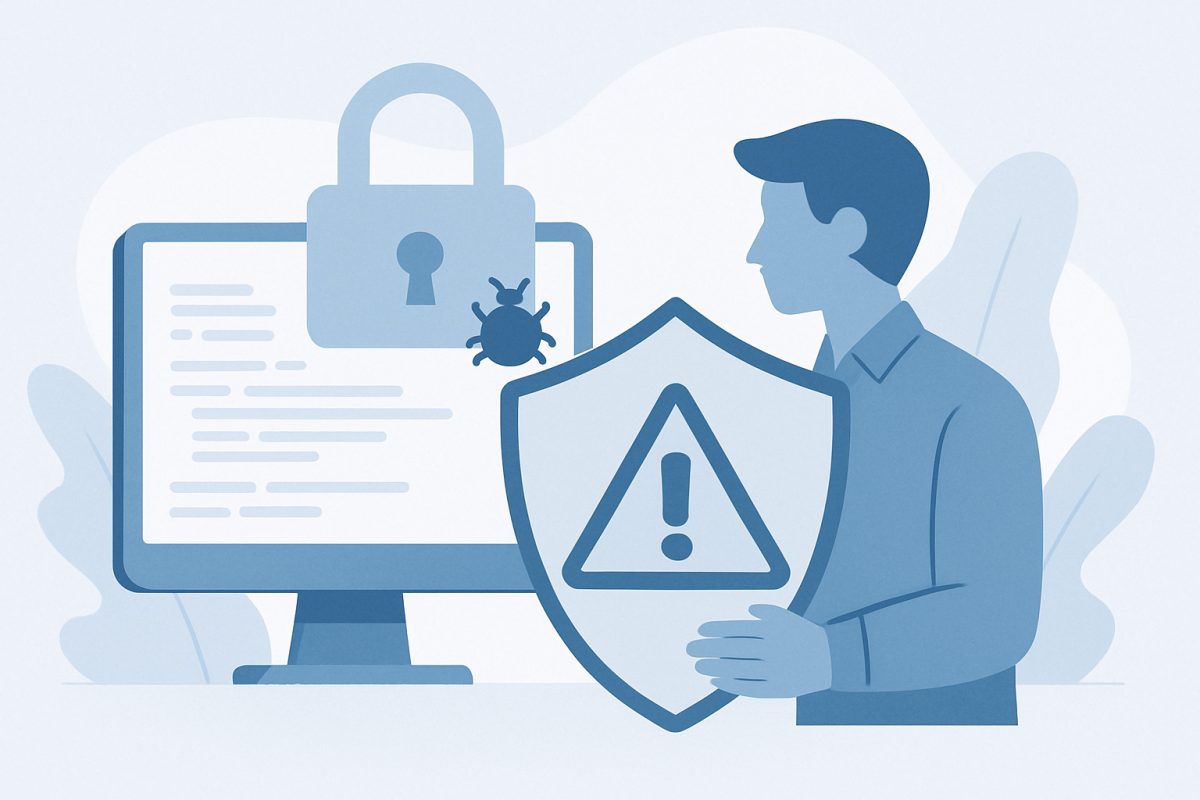
Malicious code includes any software or script that is designed to harm or exploit any programmable device or network. Examples include viruses, worms, Trojans, and ransomware, which can compromise the security and integrity of your applications. As Nigerian developers, it's crucial to understand the various forms of malicious code to effectively combat them.
- Viruses: Self-replicating programs that attach to legitimate software.
- Worms: Standalone malware that can self-replicate and spread independently.
- Trojans: Malicious software disguised as legitimate applications.
- Ransomware: Blocks access to data until a ransom is paid.
Implementing Strong Code Review Processes
One of the most effective ways to prevent malicious code from reaching production is to establish a rigorous code review process. Encourage your team to conduct thorough reviews before merging any code into the main branch. This practice not only helps in identifying potential vulnerabilities but also fosters a culture of accountability.
- Use pull requests to facilitate reviews.
- Incorporate automated code review tools.
- Engage multiple team members for diverse perspectives.
Employing Static and Dynamic Analysis Tools
Static and dynamic analysis tools are essential in identifying vulnerabilities in your code before it goes live. Static analysis involves examining the code without executing it, while dynamic analysis tests the code in a runtime environment. Both methods can detect potential security flaws early in the development cycle.
- Static analysis tools: Check for coding standards and vulnerabilities.
- Dynamic analysis tools: Test the application in real-time scenarios.
Incorporating Security Testing in CI/CD Pipelines
Integrating security testing within your Continuous Integration and Continuous Deployment (CI/CD) pipelines ensures that security checks are a part of your development process. This approach allows for automated testing at various stages of development, significantly reducing the chances of deploying malicious code.
- Automate security scans during the build process.
- Set up alerts for any vulnerabilities detected.
- Ensure remediation steps are part of your deployment checklist.
Educating Your Team on Security Best Practices
Education is key in preventing malicious code. Regular training sessions on secure coding practices can empower your team to recognize and mitigate risks. Consider involving security experts to provide insights into the latest threats and vulnerabilities.
- Conduct workshops on secure coding.
- Share resources on the latest cybersecurity trends.
- Encourage team members to obtain security certifications.
Utilizing OdotMail Services for Secure Communication
Communication is crucial in addressing security issues. Using OdotMail's Email API and SMTP services can help you securely send alerts and updates about code vulnerabilities to your team. This ensures everyone is on the same page and can respond quickly to potential threats.
- Send transactional emails about security updates.
- Utilize delivery logs to track communications.
- Leverage SMS alerts for immediate notifications.
By implementing these strategies, you can significantly reduce the risk of malicious code infiltrating your production environment. Remember, proactive measures are essential for safeguarding your applications. For secure communication and enhanced collaboration, consider using OdotMail's Email API to keep your team informed and vigilant.
Liked this? Get one practical business tip a week
Short, useful and written for Nigerian businesses: getting paid faster, reaching customers, staying compliant. No spam, and you can leave any time.
Keep reading
All articles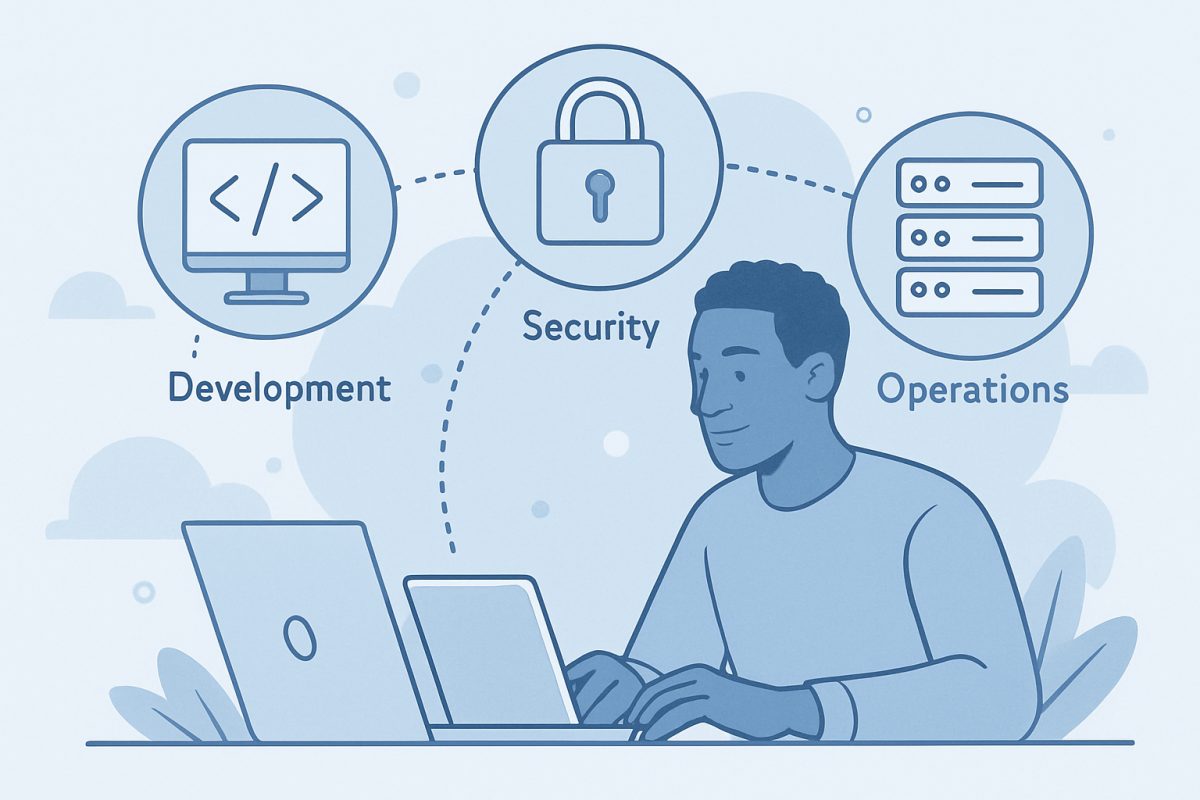 Cyber Security
A Beginner’s Guide to DevSecOps for Nigerian Developers
DevSecOps is revolutionizing how development teams approach security. This guide will help Nigerian developers and businesses understand and implement DevSecOps effectively.
 Cyber Security
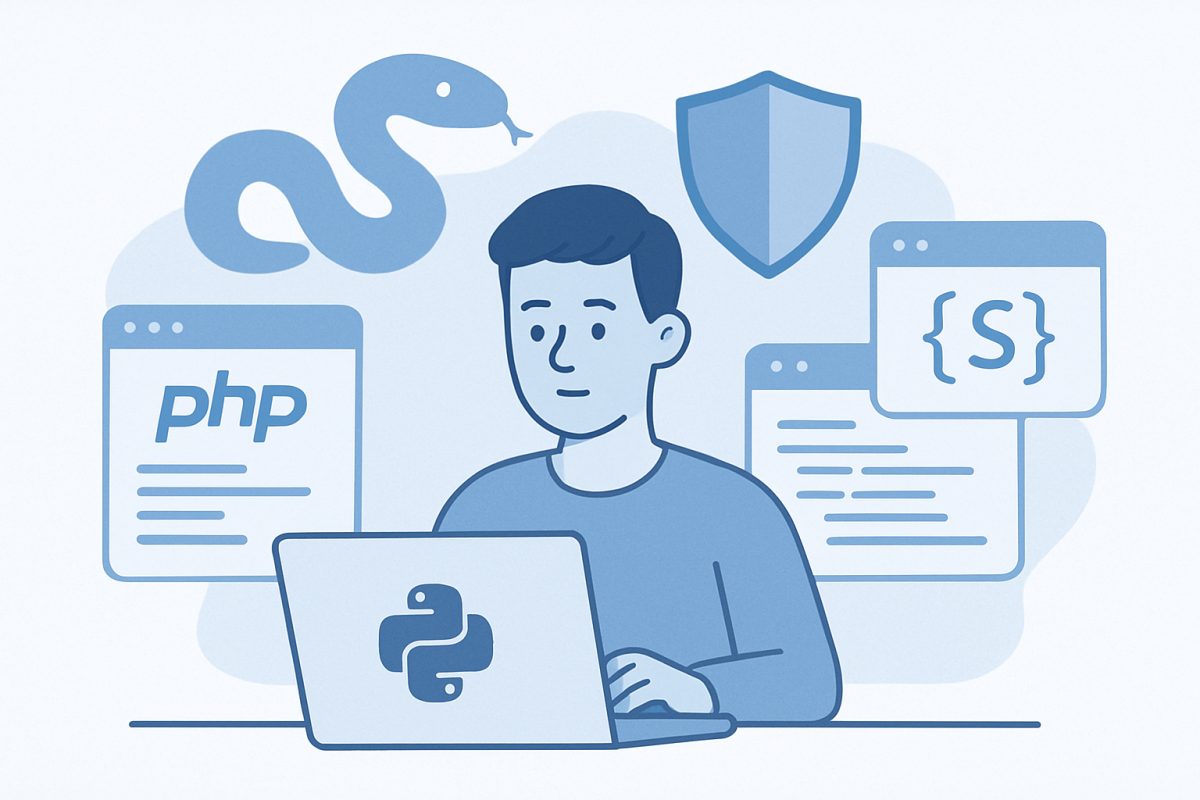
Is Python Safer than PHP or JavaScript for Developers?
In the world of programming, security is paramount. This article explores whether Python is a safer choice compared to PHP and JavaScript.
 Cyber Security
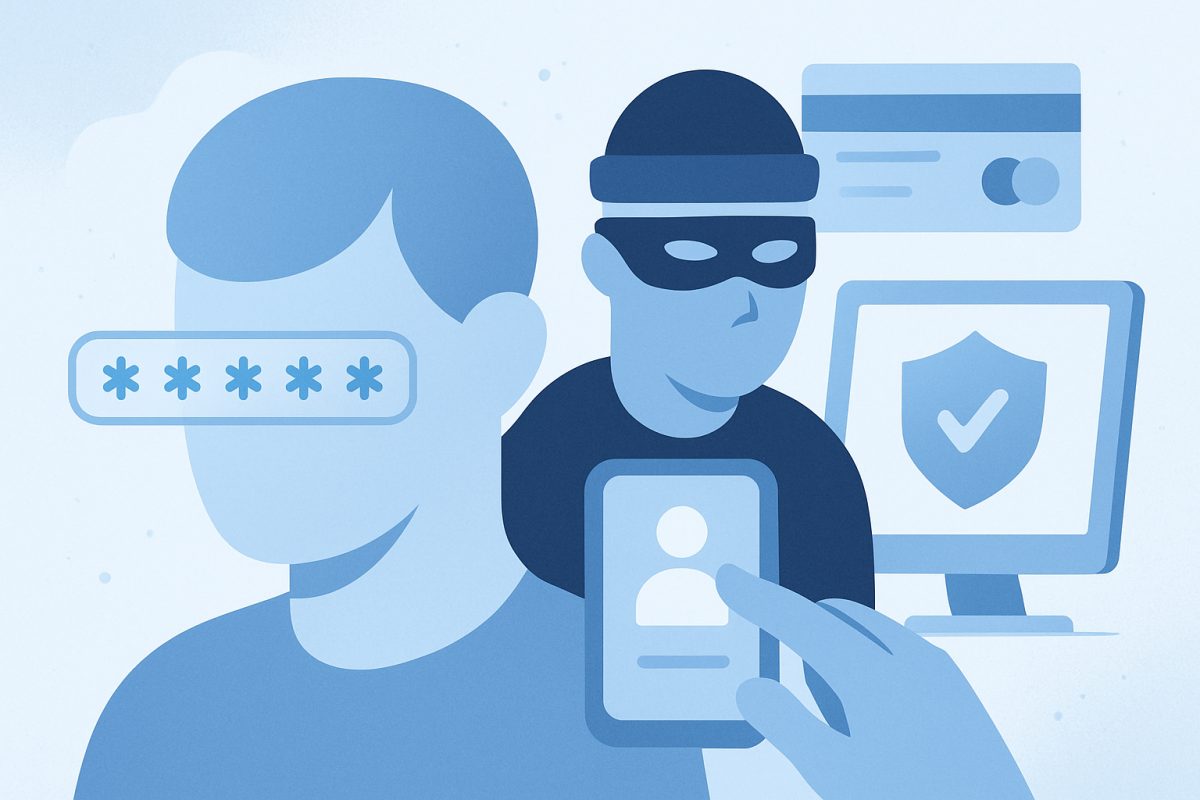
The New Face of Digital Fraud: Beyond Passwords
Digital fraud is no longer just about stolen passwords; it's a complex landscape of threats that affect all sectors. Learn how to protect your business in this new era.
 Cyber Security
Inside a Cyberattack: What Happens After Hackers Break In
Cyberattacks can devastate businesses, but understanding the aftermath can aid recovery. This article unpacks what happens after hackers infiltrate systems.
Build with email, SMS and identity checks.
One account, one API, billed in Naira.


Comments 0
No comments yet. Be the first to share your thoughts.