
Integrating Identity Verification into Your Digital Platform
Identity verification is essential for secure transactions. This guide walks you through how to integrate it into your website or mobile app effectively.
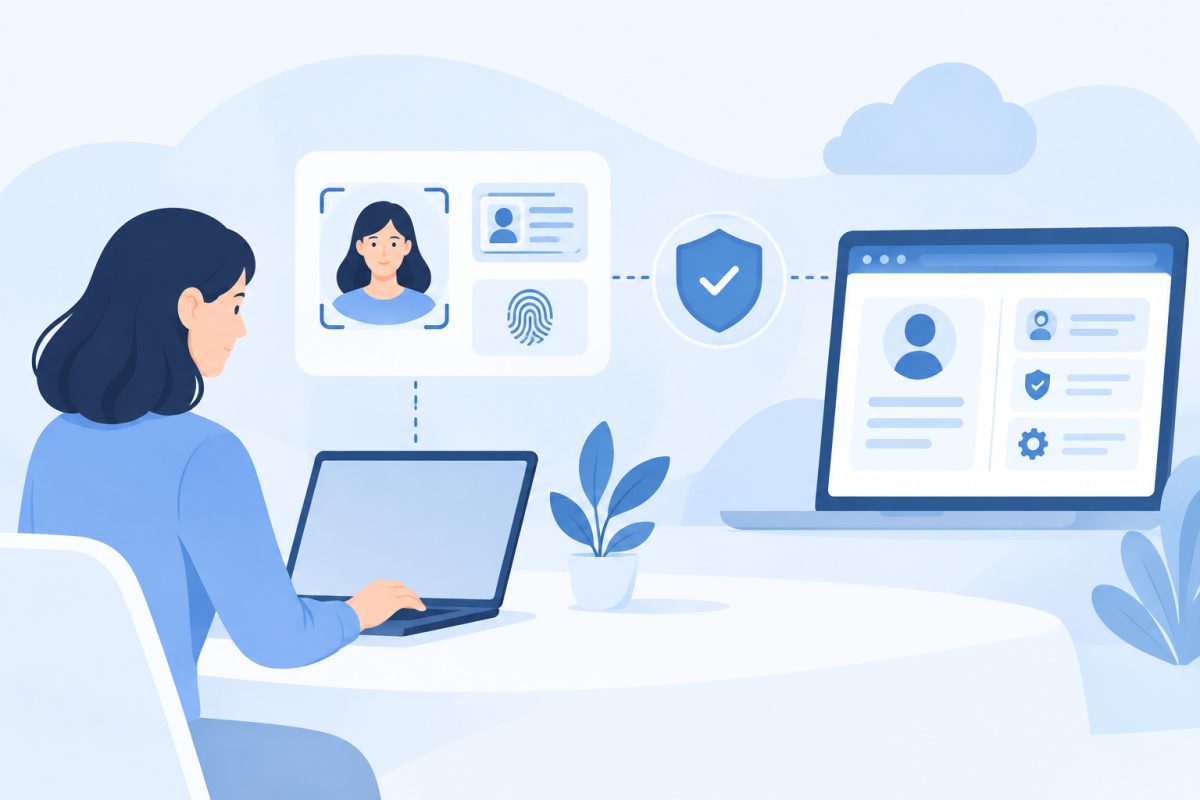
Understanding the Importance of Identity Verification
In today's digital landscape, ensuring that users are who they claim to be is crucial for businesses. This is especially true in Nigeria, where fraud and identity theft can undermine trust and lead to significant financial losses. By integrating identity verification systems, businesses not only protect themselves but also build a trustworthy relationship with their customers.
- Prevent fraud and identity theft
- Enhance customer trust
- Ensure compliance with regulations
Types of Identity Verification Available
There are several types of identity checks you can implement, depending on your business needs. In Nigeria, the most common verification types include: NIN (National Identification Number), BVN (Bank Verification Number), CAC (Corporate Affairs Commission) checks, and TIN (Tax Identification Number). Each serves different purposes and is suited for various industries.
- NIN and Virtual NIN checks for individuals
- BVN checks for financial institutions
- CAC checks for businesses
- TIN checks for tax compliance
How to Choose the Right Identity Verification Service
When selecting an identity verification solution, consider the following factors: reliability, ease of integration, cost, and compliance with local regulations. OdotServices offers a robust KYC solution that checks NIN, BVN, CAC, and other Nigerian IDs, making it an excellent choice for businesses operating in Nigeria. Their service allows you to pay per verification, ensuring you only pay for what you use.
Integrating Identity Verification into Your Application
Integrating an identity verification system can be straightforward, especially with the right APIs. Here's how you can do it using OdotServices' KYC API. First, you'll need to create an account and obtain your API key. With the API, you can initiate verification requests directly from your app.
Python example: Send a NIN verification request
import requests

API_URL = 'https://odotservices.com.ng/api/kyc/nin'
API_KEY = 'YOUR_API_KEY'

headers = {
    'Content-Type': 'application/json',
    'X-API-Key': API_KEY
}

data = {
    'nin': 'YOUR_NIN_NUMBER'
}

response = requests.post(API_URL, headers=headers, json=data)

if response.status_code == 200:
    print('Verification successful:', response.json())
else:
    print('Error:', response.text)
Best Practices for Implementing Identity Verification
To ensure a smooth user experience and high verification success rates, follow these best practices: provide clear instructions for users, ensure data privacy and security, and regularly update your verification methods to comply with changing regulations. Additionally, consider implementing multi-factor authentication for additional security.
- Offer user-friendly instructions
- Prioritize data security
- Keep your methods up-to-date
Maintaining Compliance and Data Security
As you incorporate identity verification, staying compliant with the Nigeria Data Protection Act (NDPA) 2023 is vital. Ensure that user data is encrypted and securely stored. Regular audits of your processes and tools will help maintain compliance and protect your business from potential legal issues.
- Encrypt sensitive data
- Conduct regular audits
- Stay informed on legal requirements
Integrating identity verification into your website or mobile app is not just a technical requirement; it's a business necessity. With OdotServices, you can streamline this process, ensuring that your customers feel safe and secure while using your services. Start today by exploring our KYC identity verification service and enjoy peace of mind.
Liked this? Get one practical business tip a week
Short, useful and written for Nigerian businesses: getting paid faster, reaching customers, staying compliant. No spam, and you can leave any time.
Keep reading
All articles KYC Verification
When to Request BVN Verification for Your Application
BVN verification is crucial for businesses to mitigate fraud risks. This guide explores the right moments to integrate BVN checks into your application.
 KYC Verification
When to Request NIN Verification for Your Application
NIN verification is essential for ensuring compliance and trust in various sectors. This guide helps you understand when your application should request it.
 KYC Verification
NIN, BVN, CAC, and TIN Verification: Key Differences Explained
Understanding the differences between NIN, BVN, CAC, and TIN is crucial for Nigerian developers and businesses. This guide breaks down their significance and applications.
 KYC Verification
Avoiding Common KYC Mistakes for Businesses in Nigeria
Effective Know Your Customer (KYC) practices are crucial for businesses in Nigeria. This article outlines common mistakes that can hinder compliance and efficiency.
Build with email, SMS and identity checks.
One account, one API, billed in Naira.


Comments 0
No comments yet. Be the first to share your thoughts.