
KYC API Integration Guide for Nigerian Developers
This guide offers a clear and practical approach to integrating KYC APIs for developers in Nigeria. By utilizing these APIs, businesses can enhance their customer verification processes seamlessly.

Understanding KYC in Nigeria
Know Your Customer (KYC) refers to the process of verifying the identity of customers to prevent fraud and ensure compliance with regulatory requirements. In Nigeria, KYC is especially critical for sectors such as banking, insurance, and education, where identity verification is paramount for customer trust and security.
- KYC helps in fraud prevention
- Ensures compliance with regulations
- Builds customer trust in businesses
Why Integrate KYC API?
Integrating a KYC API offers numerous benefits for businesses, especially in sectors where identity verification is crucial. It streamlines the verification process, reduces manual errors, and enhances customer experience. Here are a few reasons to consider KYC API integration:
- Automates customer verification
- Reduces operational costs
- Enhances security and compliance
- Improves customer experience
Getting Started with KYC API Integration
To kickstart your integration, you need to follow a few essential steps. This process is designed to be developer-friendly and ensures that you can set up the integration quickly.
- Create an account with OdotServices
- Obtain your API key from the dashboard
- Review the API documentation for KYC checks at odotservices.com.ng/docs
- Choose the KYC checks you want to implement (like NIN, BVN, CAC)
Sample Code for KYC API Integration
Below is a simple example of how to implement a NIN verification check using the KYC API from OdotServices. Make sure to replace the placeholder values with your actual API key and customer details.
Python example: Sample code to verify NIN with KYC API
import requests

# Replace with your actual API key and NIN
api_key = 'YOUR_API_KEY'
nin_number = '123456789012'

# API endpoint for NIN verification
url = 'https://odotservices.com.ng/api/kyc/nin'

# Headers for the request
headers = {
    'Content-Type': 'application/json',
    'X-API-Key': api_key
}

# Data to be sent in the request
data = {
    'nin': nin_number
}

# Making the request
response = requests.post(url, headers=headers, json=data)

# Printing the response
print(response.json()) # Check the NIN verification result
Handling Responses and Errors
Once you send a request to the KYC API, it's crucial to handle the responses properly. The API will return a JSON object with the verification result. You should check the status and take appropriate action based on the result.
- Check for success or failure status
- Log the results for compliance
- Implement retry logic for failed requests
Best Practices for KYC API Integration
Integrating a KYC API requires adherence to certain best practices to ensure smooth operation and compliance with regulations. Here are some tips:
- Always secure your API key
- Implement logging for monitoring
- Ensure compliance with the Nigeria Data Protection Act (NDPA)
- Regularly update your integration as APIs evolve
Integrating a KYC API is a vital step for any business in Nigeria looking to streamline their customer verification processes. By following this guide, you can ensure that your integration is smooth and effective. For reliable KYC services, consider using OdotServices' KYC API to enhance your business operations.
Liked this? Get one practical business tip a week
Short, useful and written for Nigerian businesses: getting paid faster, reaching customers, staying compliant. No spam, and you can leave any time.
Keep reading
All articles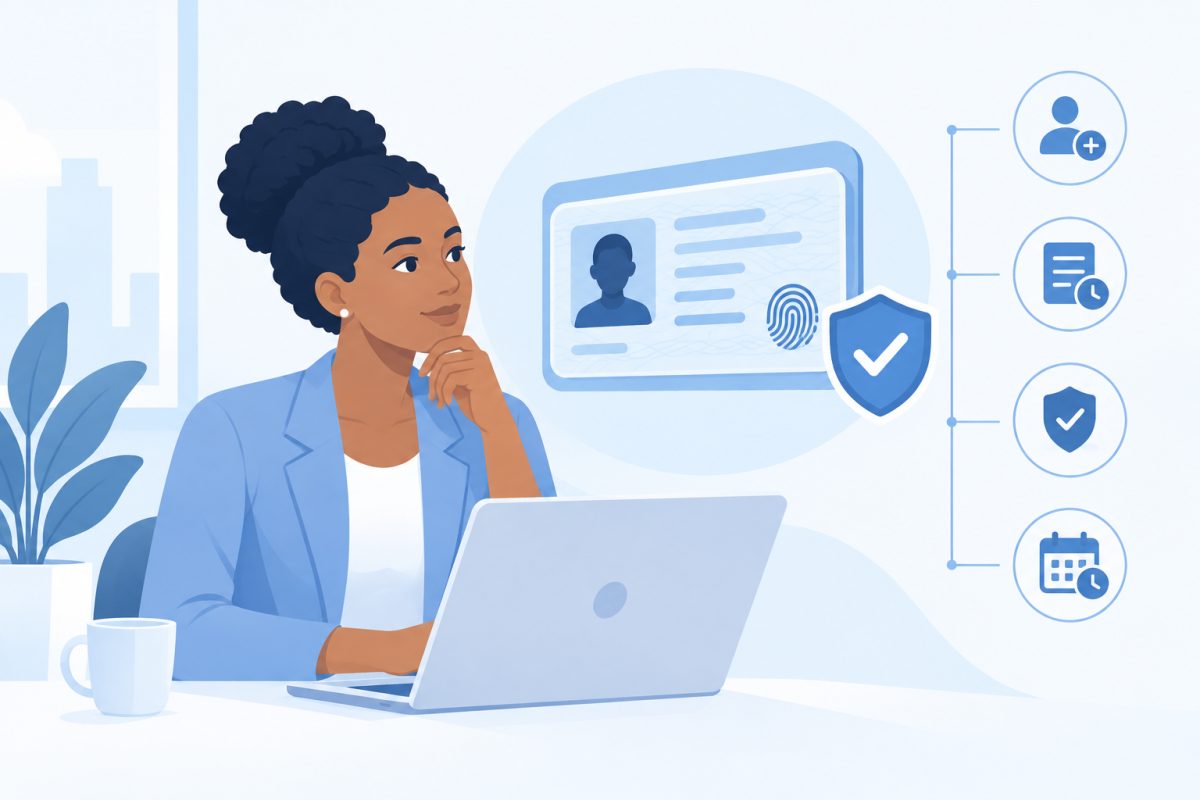 KYC Verification
When to Request BVN Verification for Your Application
BVN verification is crucial for businesses to mitigate fraud risks. This guide explores the right moments to integrate BVN checks into your application.
 KYC Verification
When to Request NIN Verification for Your Application
NIN verification is essential for ensuring compliance and trust in various sectors. This guide helps you understand when your application should request it.
 KYC Verification
NIN, BVN, CAC, and TIN Verification: Key Differences Explained
Understanding the differences between NIN, BVN, CAC, and TIN is crucial for Nigerian developers and businesses. This guide breaks down their significance and applications.
 KYC Verification
Avoiding Common KYC Mistakes for Businesses in Nigeria
Effective Know Your Customer (KYC) practices are crucial for businesses in Nigeria. This article outlines common mistakes that can hinder compliance and efficiency.
Build with email, SMS and identity checks.
One account, one API, billed in Naira.


Comments 0
No comments yet. Be the first to share your thoughts.