
KYC Verification: Essential for E-Commerce in Nigeria
KYC verification is becoming essential for e-commerce businesses in Nigeria. This article explores its importance and implementation strategies.
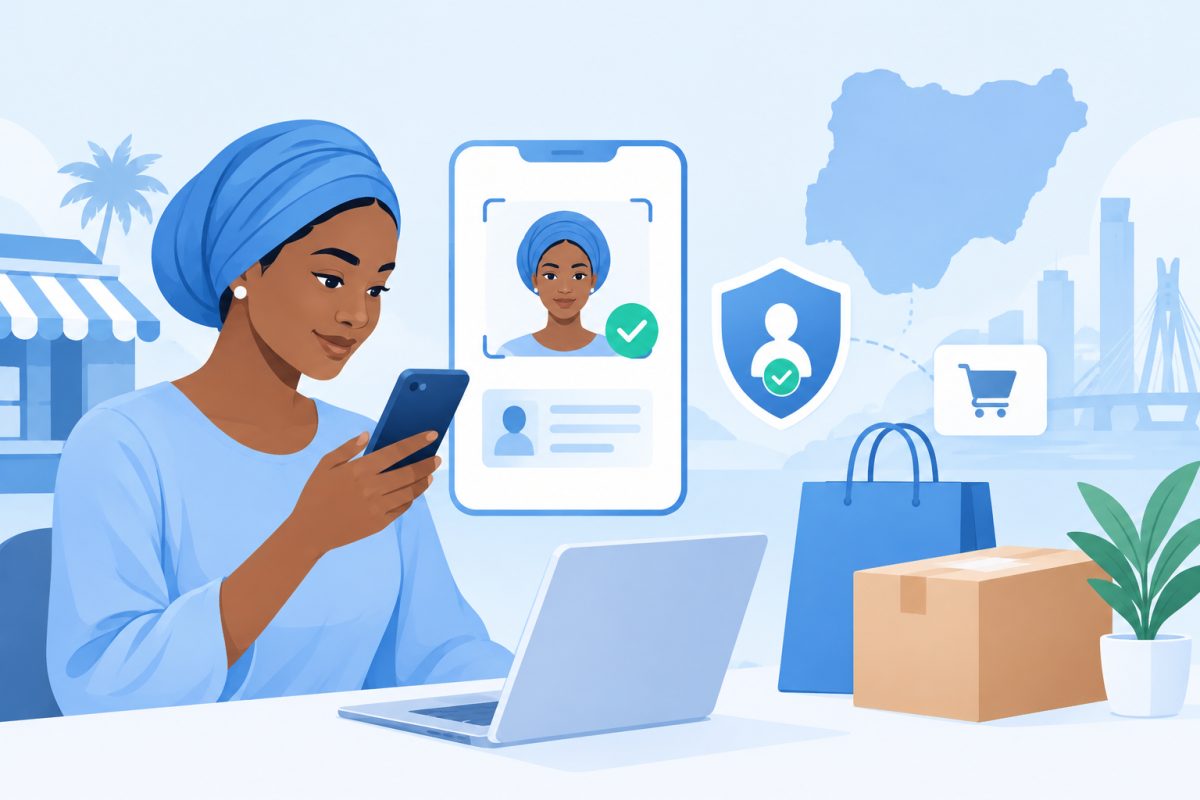
Understanding KYC Verification
Know Your Customer (KYC) verification is a process that enables businesses to verify the identity of their customers. It is crucial in the e-commerce sector, especially in Nigeria, where fraud and identity theft are prevalent. KYC helps businesses comply with regulatory requirements and enhances trust between the seller and the buyer.
- What is KYC?
- Importance of KYC in E-Commerce
- Regulatory compliance requirements
The Role of KYC in Building Trust
In the digital marketplace, trust is paramount. KYC verification plays a significant role in establishing this trust. When customers know that a business has taken steps to verify their identity, they are more likely to engage in transactions. This trust can lead to increased customer loyalty and repeat purchases.
- Building customer confidence
- Reducing transaction risks
- Encouraging repeat business
Compliance and Legal Requirements
In Nigeria, businesses are required to comply with various regulations that mandate customer verification. The Central Bank of Nigeria (CBN) and other regulatory bodies have put measures in place to ensure that businesses conduct KYC checks. Non-compliance can lead to penalties and loss of reputation.
- Overview of regulatory frameworks
- Consequences of non-compliance
- How KYC aligns with legal standards
Implementing KYC Verification in Your E-Commerce Business
Integrating KYC verification into your e-commerce platform can be straightforward. Businesses can leverage APIs that facilitate identity checks such as NIN, BVN, and CAC verification. Services like OdotServices provide comprehensive KYC solutions that ensure seamless integration and compliance with Nigerian laws.
- Choosing the right KYC provider
- Steps for integration
- Best practices for data security
Challenges of KYC Verification in Nigeria
Despite its importance, implementing KYC verification can be challenging. Issues such as varying data quality, customers' reluctance to share personal information, and technological barriers can hinder effective verification. Understanding these challenges is vital for businesses to adapt and find solutions.
- Data quality issues
- Customer privacy concerns
- Technological hurdles
Future Trends in KYC Verification
As technology evolves, so does the KYC verification process. Advancements in AI and machine learning could transform how businesses conduct identity checks. Future trends may include automated verification processes, enhanced biometric checks, and real-time data analytics to improve accuracy and efficiency.
- AI and machine learning applications
- Biometric verification trends
- Real-time data analysis
In conclusion, KYC verification is not just a regulatory requirement but a strategic advantage for e-commerce businesses in Nigeria. By prioritizing KYC, businesses can enhance trust, ensure compliance, and ultimately drive growth in a competitive marketplace. For seamless KYC verification, consider using the comprehensive services offered by OdotServices.
Liked this? Get one practical business tip a week
Short, useful and written for Nigerian businesses: getting paid faster, reaching customers, staying compliant. No spam, and you can leave any time.
Keep reading
All articles KYC Verification
When to Request BVN Verification for Your Application
BVN verification is crucial for businesses to mitigate fraud risks. This guide explores the right moments to integrate BVN checks into your application.
 KYC Verification
When to Request NIN Verification for Your Application
NIN verification is essential for ensuring compliance and trust in various sectors. This guide helps you understand when your application should request it.
 KYC Verification
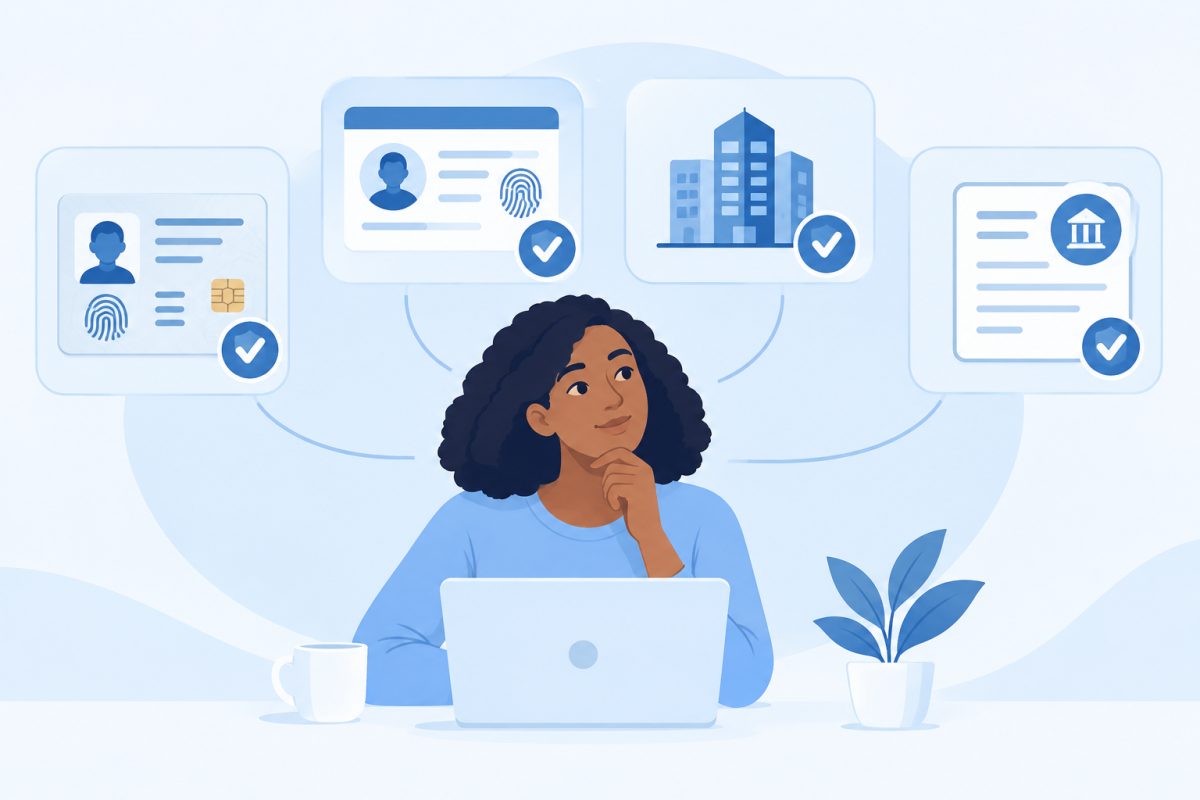
NIN, BVN, CAC, and TIN Verification: Key Differences Explained
Understanding the differences between NIN, BVN, CAC, and TIN is crucial for Nigerian developers and businesses. This guide breaks down their significance and applications.
 KYC Verification
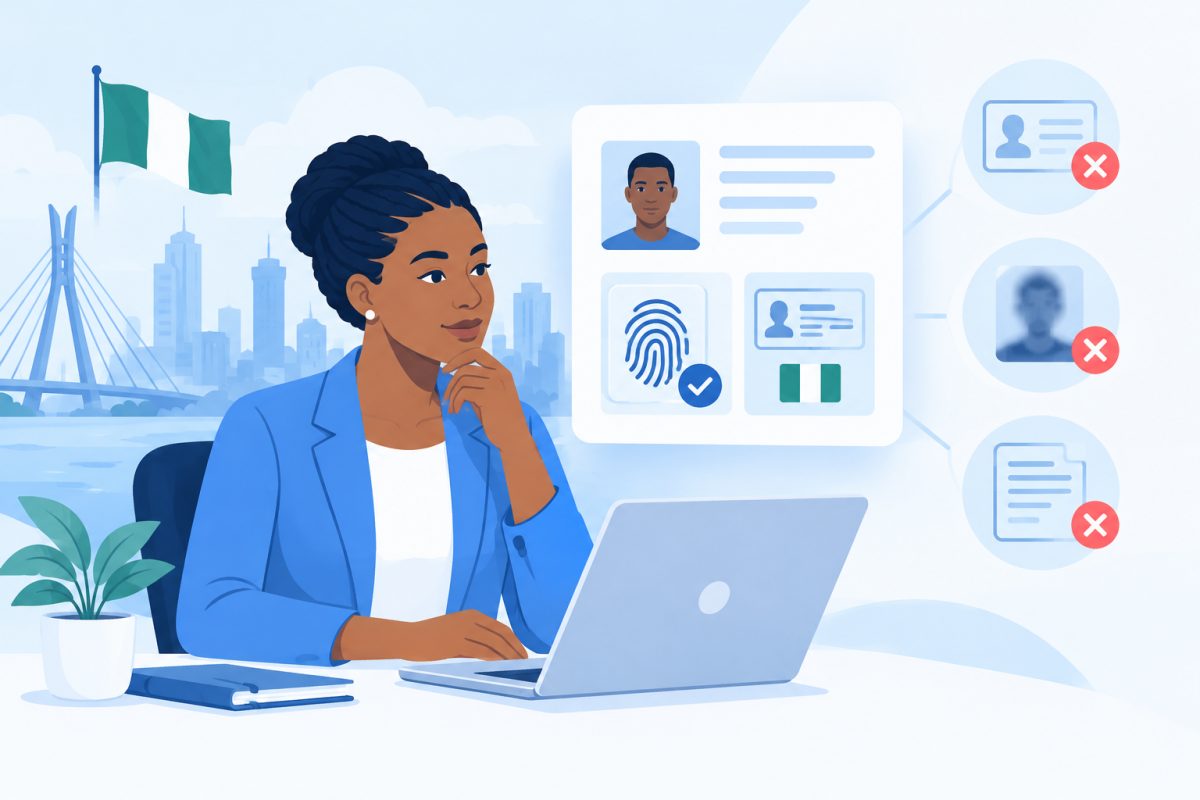
Avoiding Common KYC Mistakes for Businesses in Nigeria
Effective Know Your Customer (KYC) practices are crucial for businesses in Nigeria. This article outlines common mistakes that can hinder compliance and efficiency.
Build with email, SMS and identity checks.
One account, one API, billed in Naira.


Comments 0
No comments yet. Be the first to share your thoughts.