
The Necessity of Customer Verification in Sensitive Services
Customer verification is vital for businesses handling sensitive services. This practice not only protects your business but also builds trust with customers.
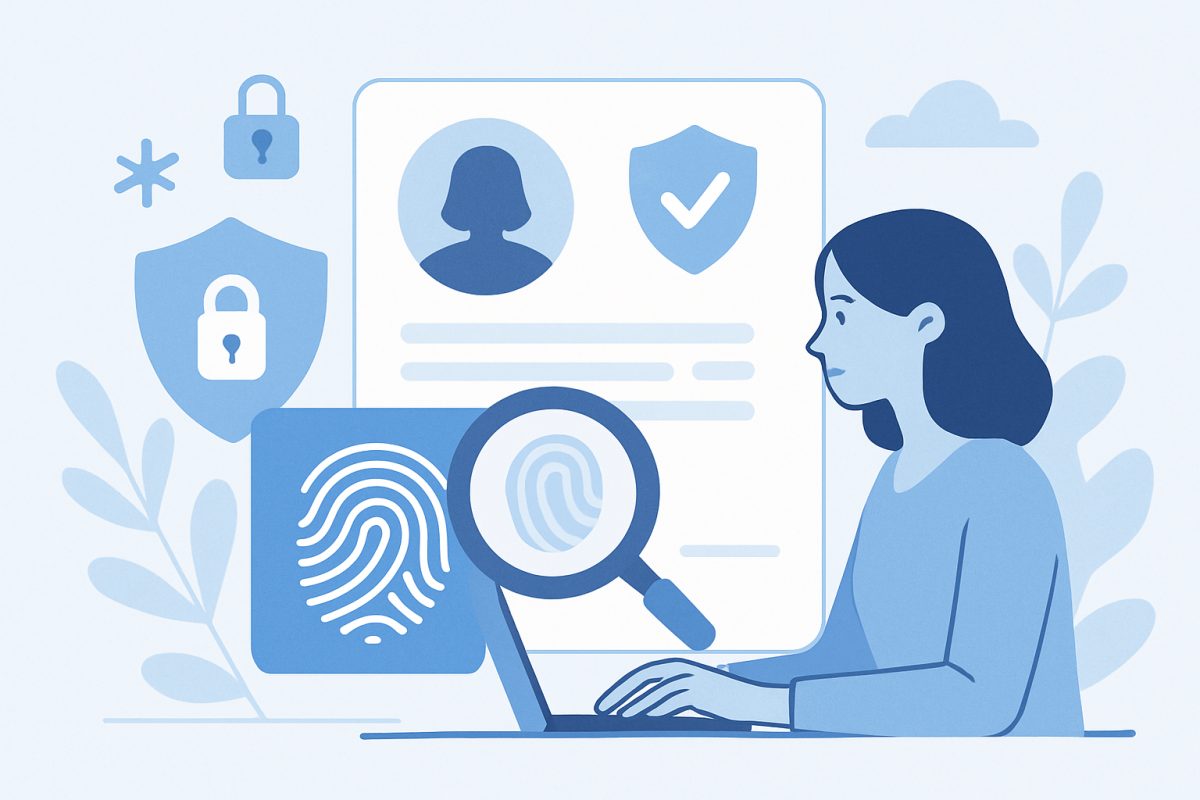
The Rising Importance of Customer Verification
In today's digital landscape, businesses are increasingly exposed to risks associated with fraud and identity theft. As a result, verifying customers before providing sensitive services has become essential for protecting both the business and the customer.
- Increased fraud cases
- Regulatory compliance
- Building customer trust
Understanding Sensitive Services
Sensitive services include areas such as banking, insurance, education, and healthcare, where personal data is involved. Offering these services without proper verification can lead to severe consequences, including financial losses and legal issues.
- Definition of sensitive services
- Examples of sensitive services
- Consequences of inadequate verification
Benefits of Customer Verification
Verifying customers not only mitigates risks but also enhances the overall customer experience. By implementing a robust verification process, businesses can ensure a safer environment for transactions, leading to increased customer loyalty and satisfaction.
- Risk mitigation
- Improved customer experience
- Enhanced brand reputation
Regulatory Compliance and Customer Verification
In Nigeria, businesses are required to comply with various regulations that mandate customer verification, especially in the financial and insurance sectors. Adhering to these regulations not only protects your business but also helps in maintaining a good standing with regulatory bodies.
- Overview of Nigerian regulations
- Key compliance requirements
- Importance of staying updated
Choosing the Right Verification Method
There are various methods for customer verification, including KYC (Know Your Customer) processes, document verification, and biometric checks. Choosing the right method depends on the nature of your business and the level of risk involved.
- Types of verification methods
- Factors to consider
- Balancing security and convenience
Implementing a Verification Strategy
To effectively implement customer verification, businesses should develop a clear strategy that includes technology solutions and best practices. This might involve using APIs for seamless integration and ensuring staff are trained on verification processes.
- Developing a clear strategy
- Utilizing technology solutions
- Staff training and awareness
Customer verification is not just a regulatory requirement; it is a crucial aspect of building a trustworthy business. By prioritizing this practice, you can protect your business while ensuring a secure experience for your customers.
Liked this? Get one practical business tip a week
Short, useful and written for Nigerian businesses: getting paid faster, reaching customers, staying compliant. No spam, and you can leave any time.
Keep reading
All articles KYC Verification
Understanding KYC Verification and Its Importance for Your Business
KYC verification is crucial for businesses to authenticate the identities of their customers. This process protects against fraud and enhances trust in various sectors.
 Business
Track Deliveries, Talk Customers: How Tracking Boosts Communication
Delivery tracking is more than a status update—it’s a conversation starter. By sharing live shipment data, businesses can keep customers informed, pre‑empt issues, and build loyalty.
 Email
Email
Transactional vs Marketing Email: Know the Difference
Transactional emails are triggered by user actions and carry essential information. Marketing emails aim to promote products and build brand awareness.
 Business
How to Package and Ship Products Safely and Cost-effectively
Shipping products safely and cost-effectively is crucial for any business. This guide offers practical strategies tailored for Nigerian developers, SMEs, and more.
Build with email, SMS and identity checks.
One account, one API, billed in Naira.


Comments 0
No comments yet. Be the first to share your thoughts.