
Understanding KYC Verification and Its Importance for Your Business
KYC verification is crucial for businesses to authenticate the identities of their customers. This process protects against fraud and enhances trust in various sectors.

What is KYC Verification?
KYC, or Know Your Customer, refers to the process of a business verifying the identity of its clients. This process involves collecting and verifying information such as the customer's name, address, date of birth, and identification numbers. By doing so, businesses can ensure they know who they are dealing with, which is vital for building trust and preventing fraud.
The Legal Framework for KYC in Nigeria
In Nigeria, KYC regulations are primarily governed by the Central Bank of Nigeria (CBN) and the Nigerian Financial Intelligence Unit (NFIU). Financial institutions are mandated to implement KYC measures to comply with anti-money laundering (AML) laws and to prevent financial crimes. Failure to adhere to these regulations can result in hefty fines and reputational damage.
Why Your Business Needs KYC Verification
KYC verification is essential for various reasons. Firstly, it helps in preventing fraud by ensuring that businesses do not engage with individuals involved in illegal activities. Secondly, it aids in compliance with regulatory requirements, thereby avoiding legal penalties. Lastly, it enhances customer trust, as clients feel more secure knowing that the business takes their security seriously.
- Prevents fraud and financial crime
- Ensures regulatory compliance
- Builds customer trust and loyalty
KYC in Different Sectors
KYC verification is relevant across various sectors. For instance, in banking, it helps prevent money laundering and identity theft. In insurance, KYC ensures that only eligible clients are offered policies, and in education, it verifies the identity of students. Each sector benefits uniquely from KYC, making it a versatile tool for businesses.
- Banking and Financial Services
- Insurance and Investment
- Education and Schools
- Agriculture and SMEs
Implementing KYC in Your Business
To implement KYC in your business, start by defining the KYC requirements specific to your industry. Utilize technology solutions like OdotMail's KYC verification services to streamline the process. Ensure that your staff is trained on KYC protocols and that there is a clear process for collecting and verifying customer information. Regular audits of your KYC processes are also essential to ensure compliance and efficiency.
- Define industry-specific KYC requirements
- Use technology for efficient verification
- Train staff on KYC protocols
Challenges in KYC Implementation
While KYC is beneficial, there are challenges in its implementation. These include the cost of compliance, the complexity of regulatory requirements, and potential customer resistance to providing personal information. Businesses must navigate these challenges while ensuring they meet legal obligations and maintain customer trust.
- Cost of compliance
- Complex regulatory landscape
- Customer resistance to sharing data
In summary, KYC verification is not just a regulatory requirement; it is a vital component of building a secure and trustworthy business environment. By implementing KYC processes, you protect your business, enhance customer relationships, and contribute to a safer financial ecosystem in Nigeria.
Liked this? Get one practical business tip a week
Short, useful and written for Nigerian businesses: getting paid faster, reaching customers, staying compliant. No spam, and you can leave any time.
Keep reading
All articles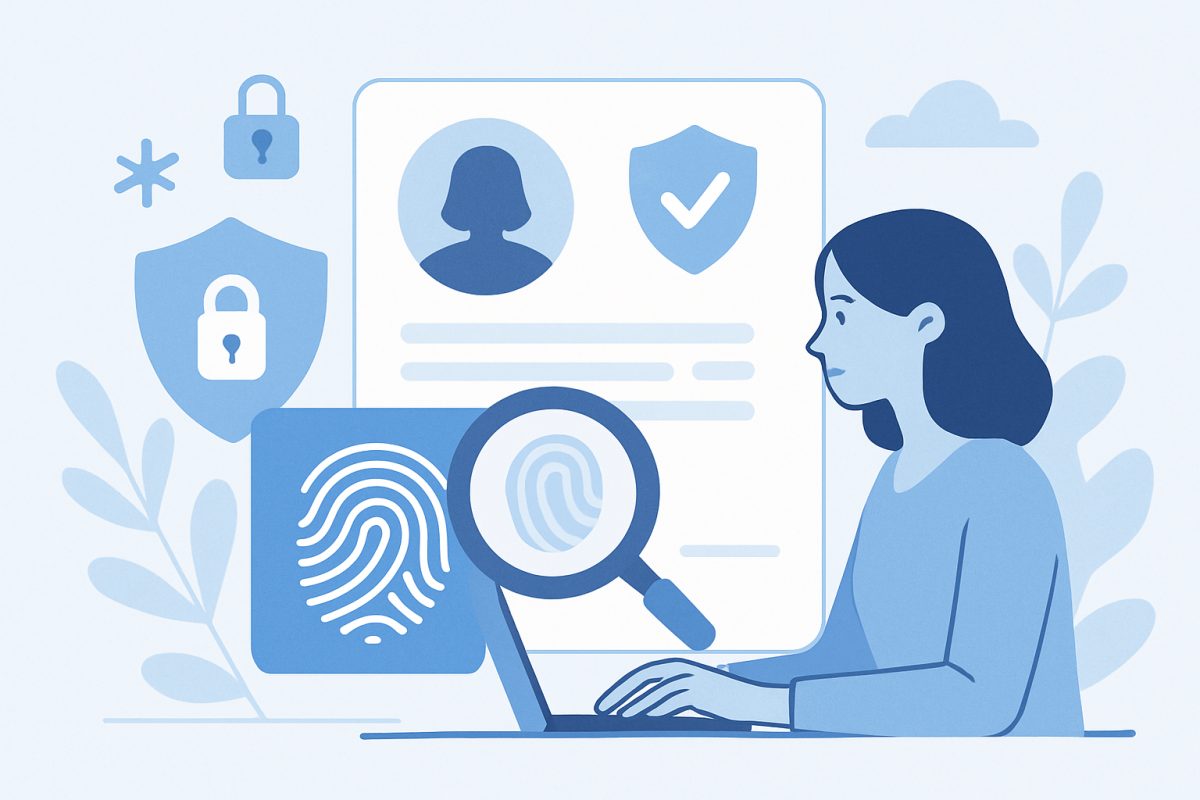 KYC Verification
The Necessity of Customer Verification in Sensitive Services
Customer verification is vital for businesses handling sensitive services. This practice not only protects your business but also builds trust with customers.
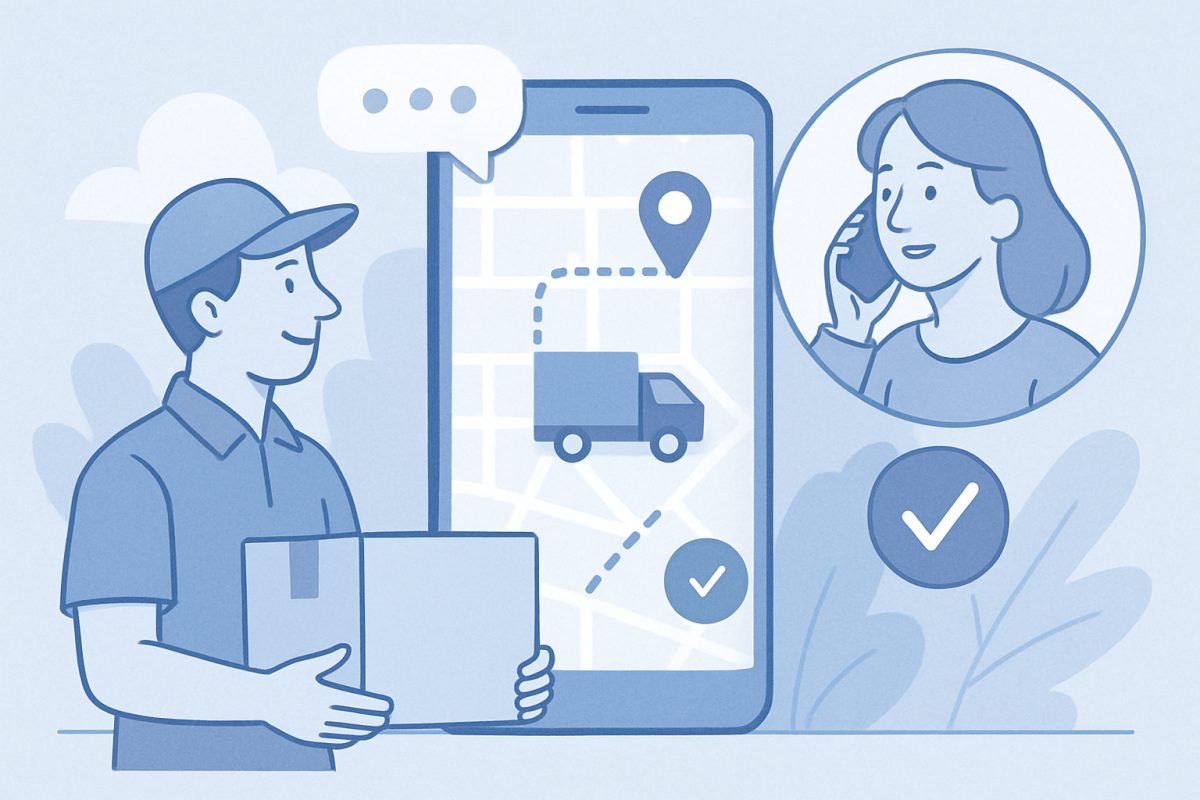 Business
Track Deliveries, Talk Customers: How Tracking Boosts Communication
Delivery tracking is more than a status update—it’s a conversation starter. By sharing live shipment data, businesses can keep customers informed, pre‑empt issues, and build loyalty.
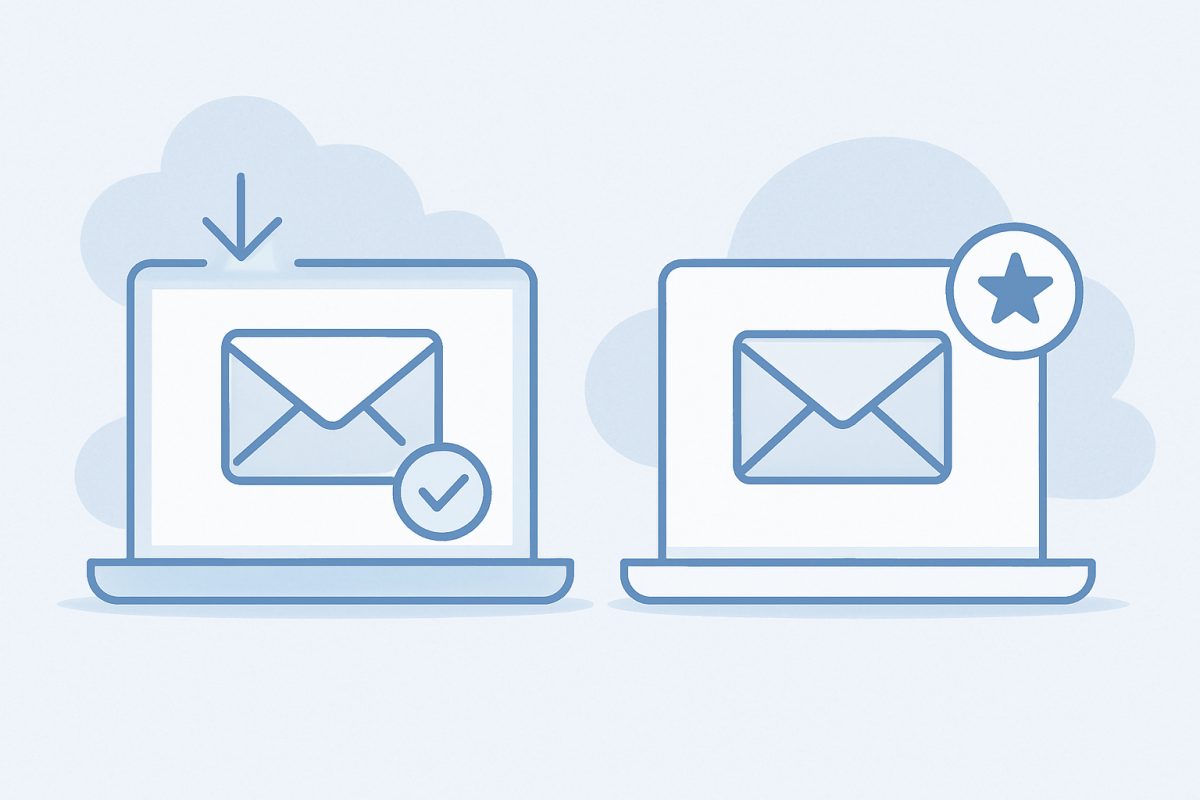 Email
Email
Transactional vs Marketing Email: Know the Difference
Transactional emails are triggered by user actions and carry essential information. Marketing emails aim to promote products and build brand awareness.
 Business
How to Package and Ship Products Safely and Cost-effectively
Shipping products safely and cost-effectively is crucial for any business. This guide offers practical strategies tailored for Nigerian developers, SMEs, and more.
Build with email, SMS and identity checks.
One account, one API, billed in Naira.


Comments 0
No comments yet. Be the first to share your thoughts.