
Understanding KYC Verification and Its Importance for Businesses
KYC (Know Your Customer) verification is crucial for businesses to prevent fraud and ensure compliance. This article delves into its importance and implementation across various sectors.
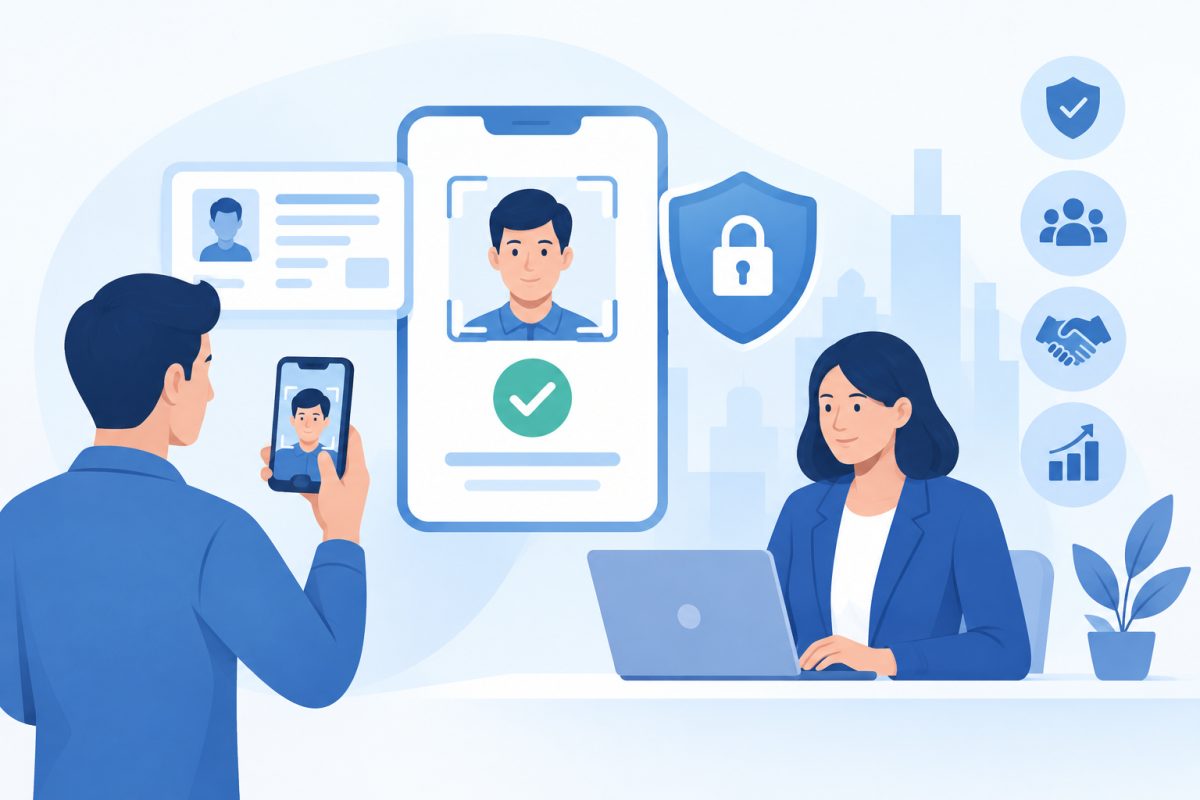
What is KYC Verification?
KYC, or Know Your Customer, is a process used by businesses to verify the identity of their clients. This process is crucial in sectors such as banking, insurance, and fintech, where knowing your customers can prevent fraud and establish a trustworthy relationship.
- Ensures compliance with regulatory requirements
- Helps mitigate risks associated with fraudulent activities
- Enhances customer trust and loyalty
Why is KYC Verification Essential for Your Business?
Implementing KYC verification is no longer optional for many businesses; it has become a necessity. Here’s why:
1. Fraud Prevention: By verifying identities, businesses can significantly reduce risks associated with identity theft and fraud. This is particularly important in sectors like banking and insurance, where fraudulent claims can lead to substantial losses.
2. Regulatory Compliance: Many industries face strict regulations that require KYC processes to be in place. Compliance with these regulations not only avoids legal penalties but also enhances a company’s reputation.
3. Customer Trust: Customers are more likely to engage with businesses that prioritize their security. KYC processes demonstrate that a business is committed to protecting its clients' information.
How KYC Verification Works
The KYC process typically involves several key steps:
1. Customer Identification: Businesses collect vital customer information, including names, addresses, and identification numbers (e.g., NIN, BVN).
2. Document Verification: Customers may be required to provide government-issued identification documents, which are verified for authenticity.
3. Ongoing Monitoring: KYC is not a one-time process. Continuous monitoring and review of customer information help ensure that businesses remain compliant and secure.
Different Types of KYC Checks
Businesses can implement various KYC checks depending on their needs:
1. Basic Checks: Verifying essential identity details like name and ID numbers (e.g., NIN, BVN).
2. Enhanced Checks: More thorough checks involving document verification and customer background checks, often used in high-risk industries.
3. Ongoing Monitoring: Continuous assessment of customer transactions to identify any suspicious activities.
KYC Verification in Different Sectors
KYC verification is crucial across various sectors, each with unique requirements:
1. Banking and Finance: Banks must comply with stringent regulations, making KYC a fundamental aspect of their operations.
2. Insurance: Insurance companies use KYC to prevent fraud and ensure that claims are legitimate.
3. E-commerce: Online marketplaces require KYC verification to build trust and ensure safe transactions. For instance, businesses can utilize OdotServices for identity verification to streamline the process.
- Banks: Preventing money laundering and fraud
- Insurance: Validating claims and policies
- E-commerce: Ensuring customer legitimacy
Implementing KYC Verification in Your Business
To effectively implement KYC verification, businesses should consider the following steps:
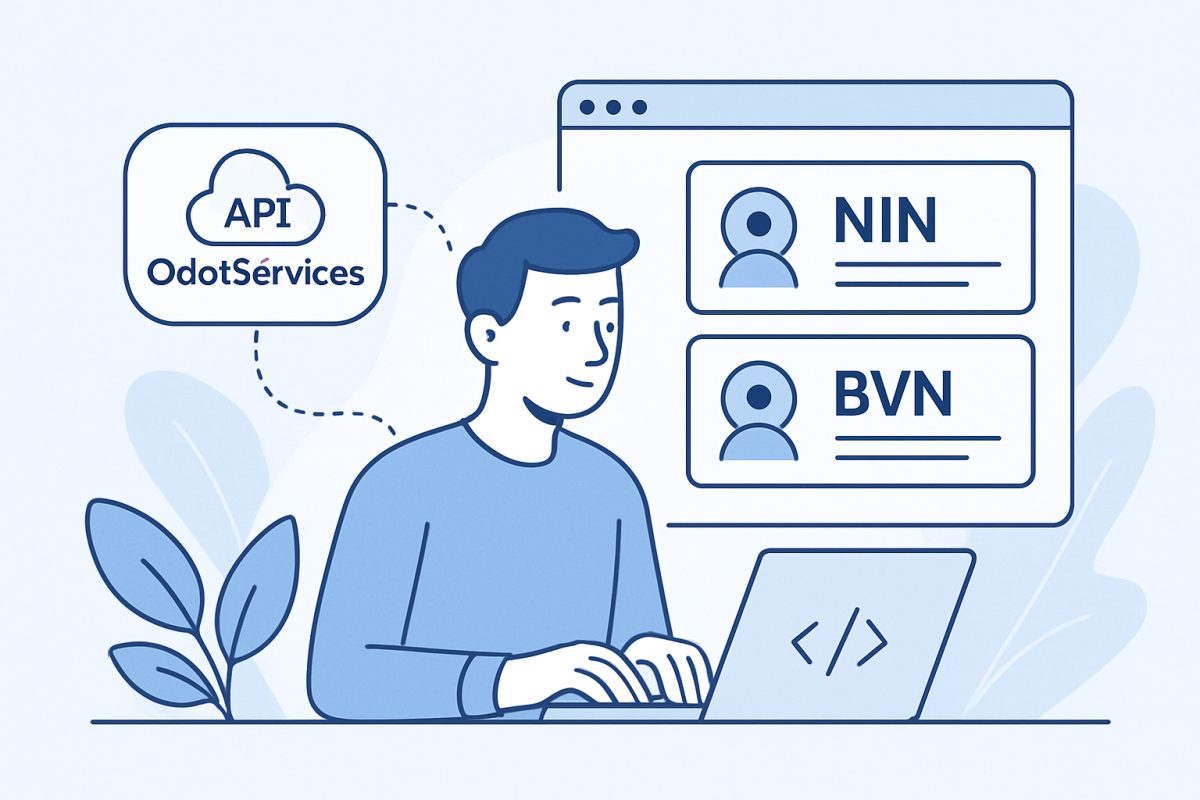
1. Choose the Right KYC Solution: Identifying a reliable KYC service provider is fundamental. OdotServices offers a comprehensive KYC verification API that supports various ID checks, including NIN and BVN, making it easy to integrate into your existing systems.
2. Develop Internal Policies: Establish clear KYC policies that outline how customer data will be collected, stored, and used.
3. Training Staff: Ensure that your staff understands KYC processes and the importance of compliance.
Conclusion: The Future of KYC Verification and Your Business
As the business landscape continues to evolve, KYC verification will remain a critical component for protecting businesses and their customers. By adopting comprehensive KYC practices, your business can enhance its credibility, mitigate risks, and foster long-lasting relationships with clients. If you're looking to implement KYC verification in your business, consider utilizing OdotServices for efficient and reliable identity verification solutions. This not only saves time but ensures that your business is compliant with the latest regulations, allowing you to focus on growth.
In summary, KYC verification is an essential tool for businesses looking to safeguard their interests and maintain regulatory compliance. By utilizing services like OdotServices for KYC checks, businesses can streamline their operations and enhance customer trust, ultimately leading to better business outcomes.
Liked this? Get one practical business tip a week
Short, useful and written for Nigerian businesses: getting paid faster, reaching customers, staying compliant. No spam, and you can leave any time.
Keep reading
All articles KYC Verification
NIN vs BVN Verification: Which Does Your Application Need?
As Nigerian businesses grow, the need for robust identity verification becomes crucial. This article explores the differences between NIN and BVN verification to help developers and founders decide which they need for their applications.
 KYC Verification
Integrating NIN and BVN in Your Web App with OdotServices API
Integrating NIN and BVN verification into your web application can significantly enhance security and user experience. In this guide, we'll walk you through the process using OdotServices API.
 KYC Verification
The Necessity of Customer Verification in Sensitive Services
Customer verification is vital for businesses handling sensitive services. This practice not only protects your business but also builds trust with customers.
 KYC Verification
Understanding KYC Verification and Its Importance for Your Business
KYC verification is crucial for businesses to authenticate the identities of their customers. This process protects against fraud and enhances trust in various sectors.
Build with email, SMS and identity checks.
One account, one API, billed in Naira.


Comments 0
No comments yet. Be the first to share your thoughts.